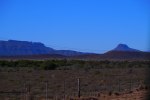
Day 31: Signs again

Day 29: Over night in the Karoo National Park

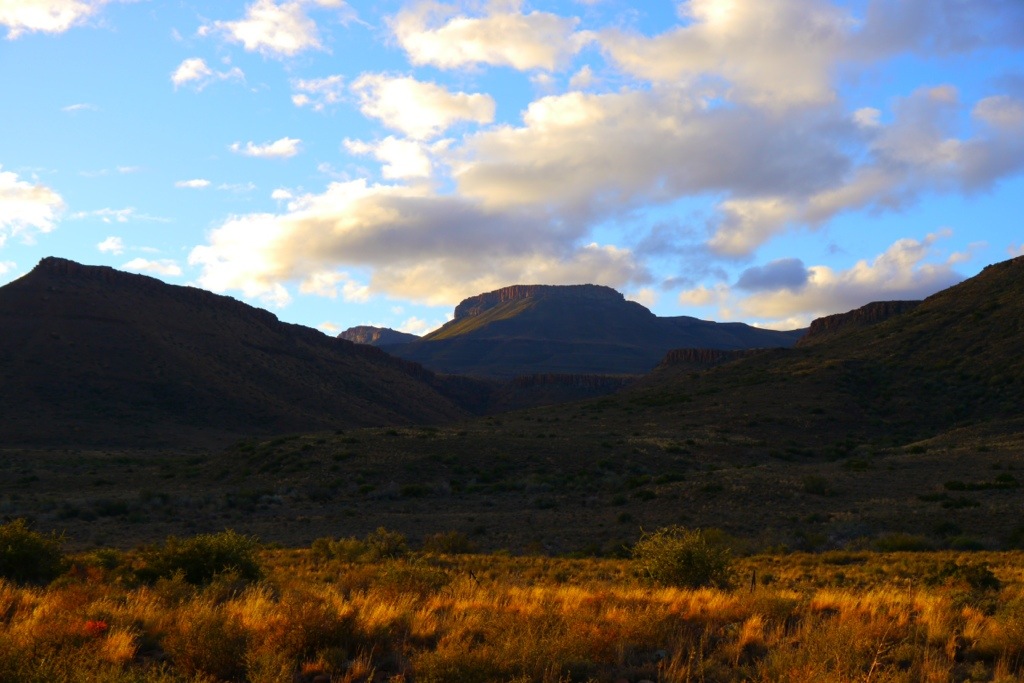
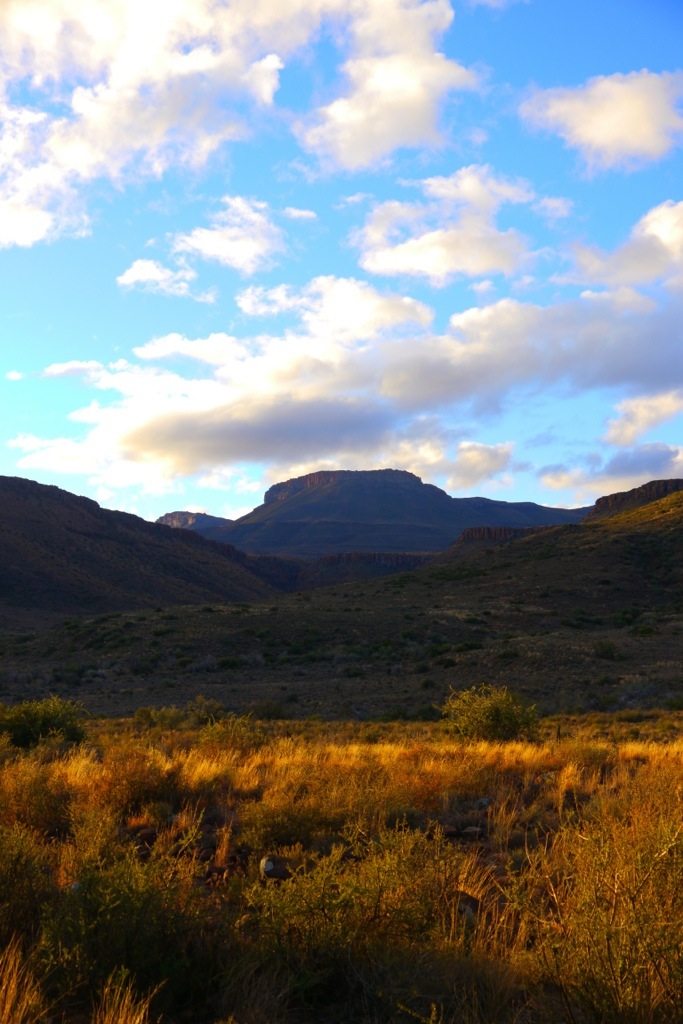
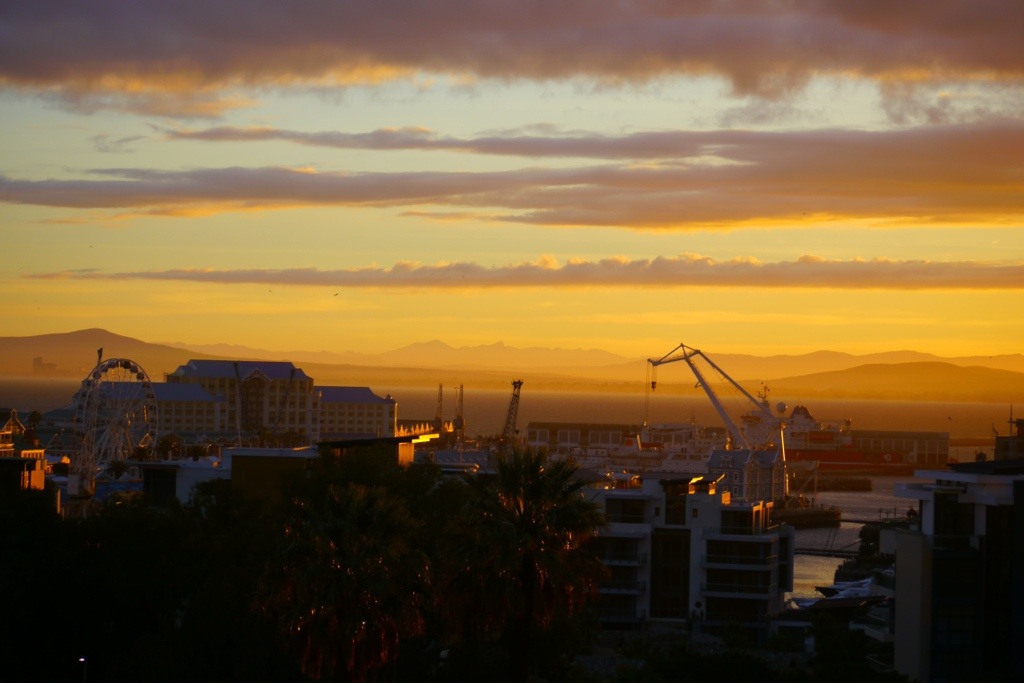
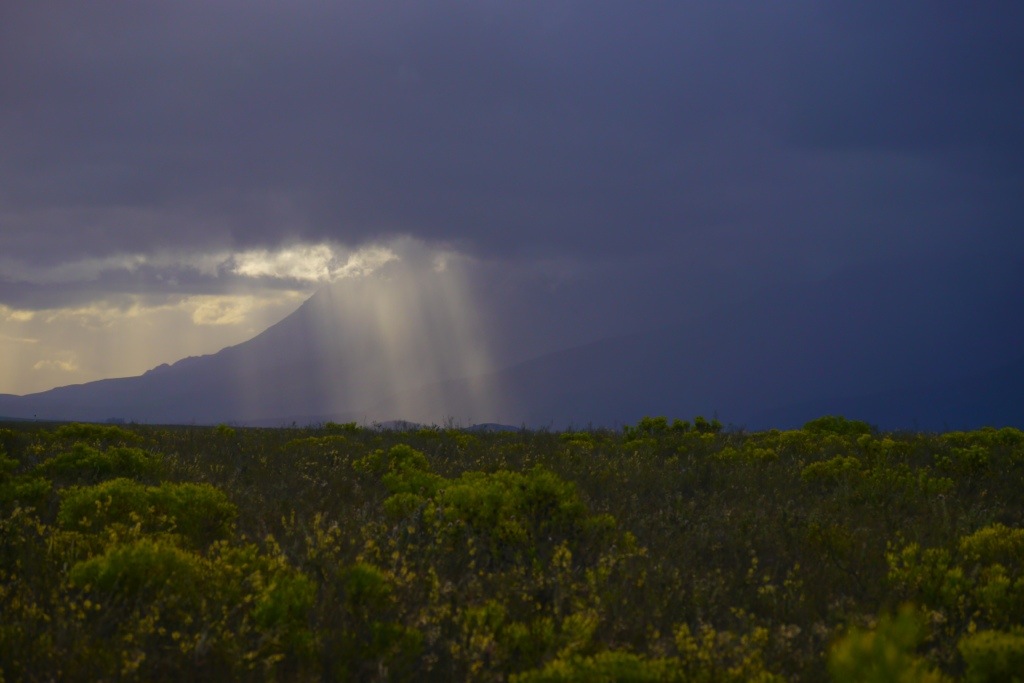
Sunset in the Karoo / Sonnenuntergang in der Karoo

20130729-154659.jpg

20130729-154853.jpg

20130729-155033.jpg

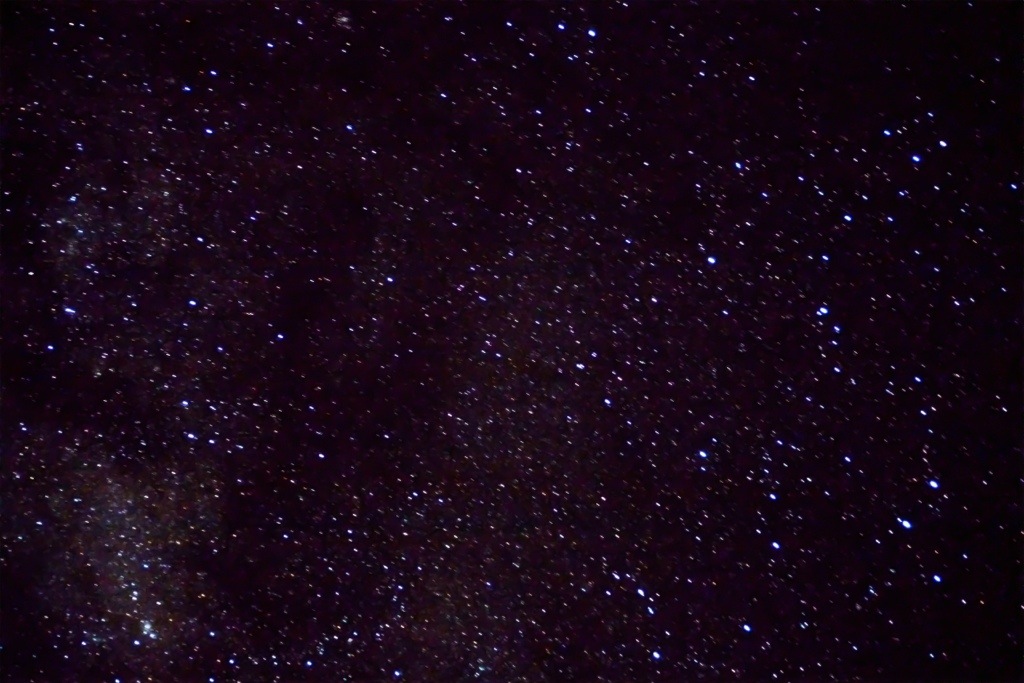
Night in the Karoo / Nacht in der Karoo

The night in the Karoo, away from every larger settlement, is nearly pitch black, making it an excellent spot for star gazing.

Die Nacht in der Karoo ist stockdunkel, da kaum größere Städte in der Umgebung liegen. Es ist daher ein idealer Punkt um Sterne zu beobachten, nicht umsonst steht dort ein großes Forschungsteleskop.

20130729-155436.jpg

20130729-155518.jpg

Sunrise at 7:30am / Sonnenaufgang, halb acht am Morgen

20130729-155749.jpg

20130729-155809.jpg

20130729-155910.jpg

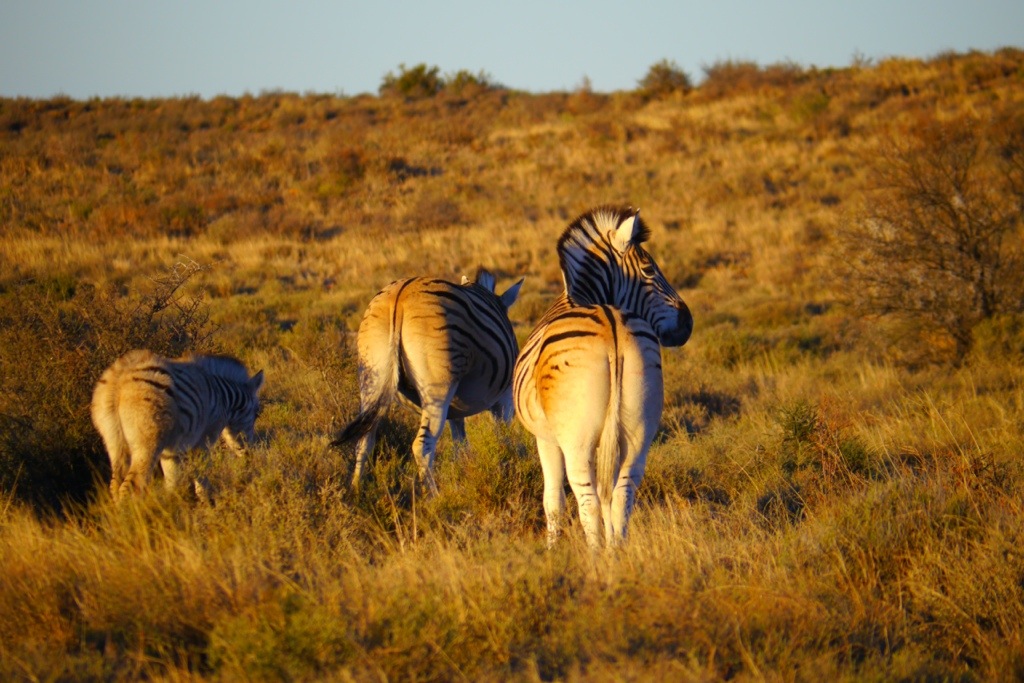
Zebra Baby

20130729-160153.jpg

20130729-160334.jpg

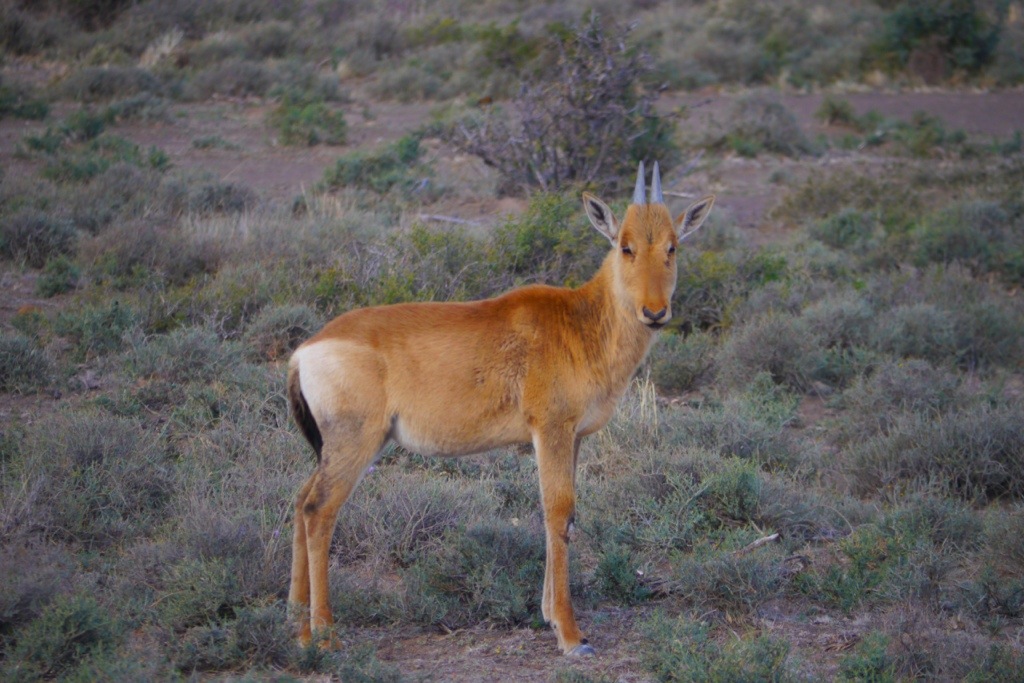
Red Hartebeest Baby

20130729-160748.jpg

20130729-160924.jpg

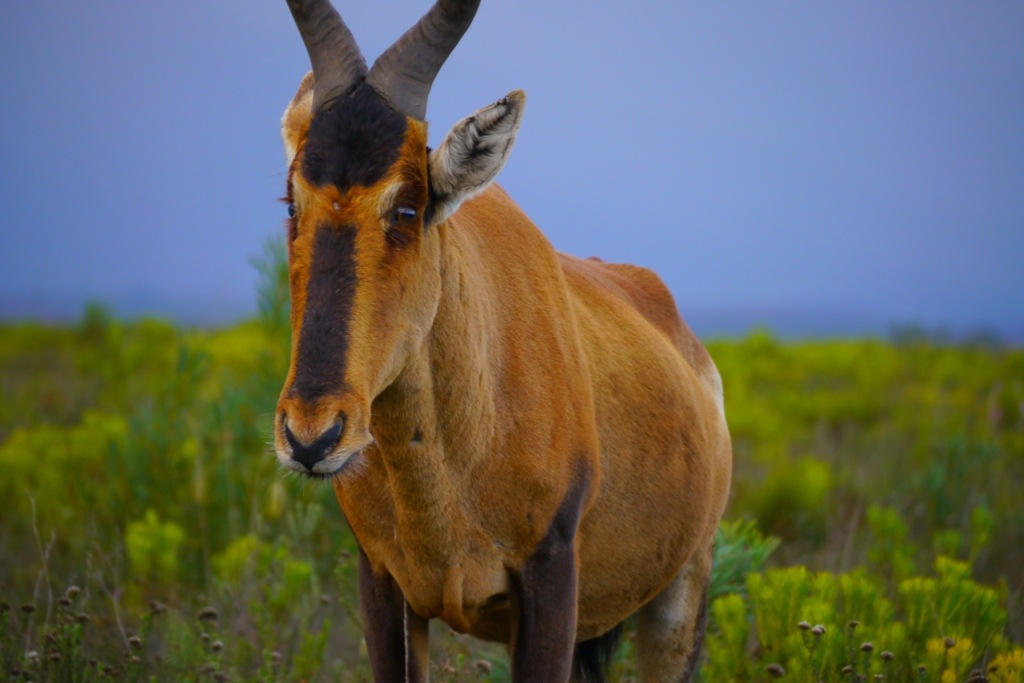
Red Hartebeest

20130729-161140.jpg

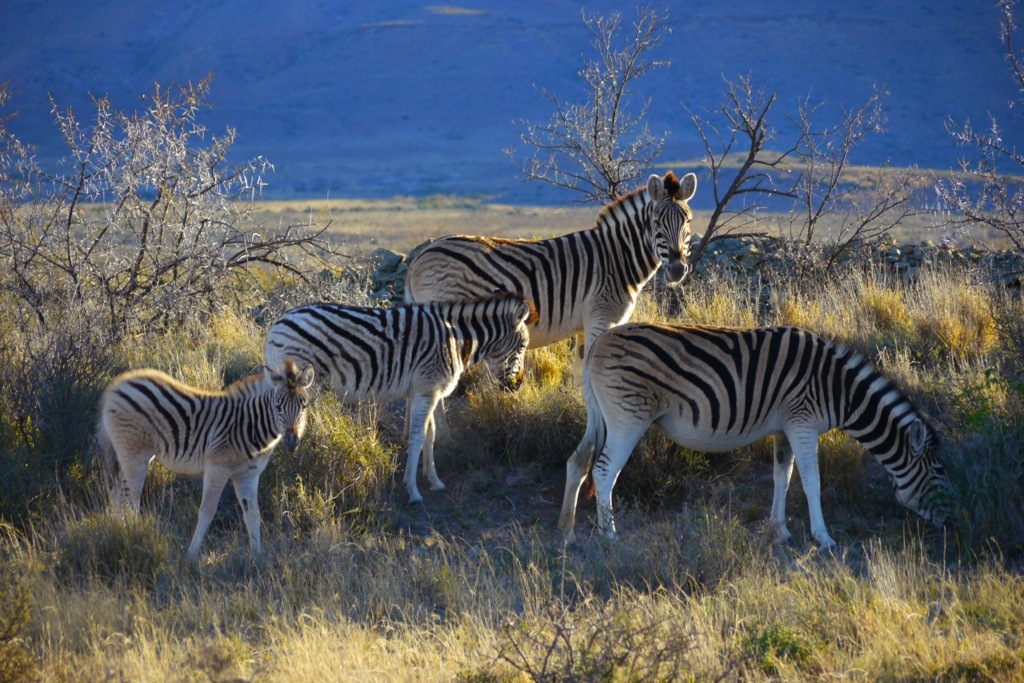
Zebras in the Sunrise / Zebras im Sonnenaufgang

20130729-161251.jpg

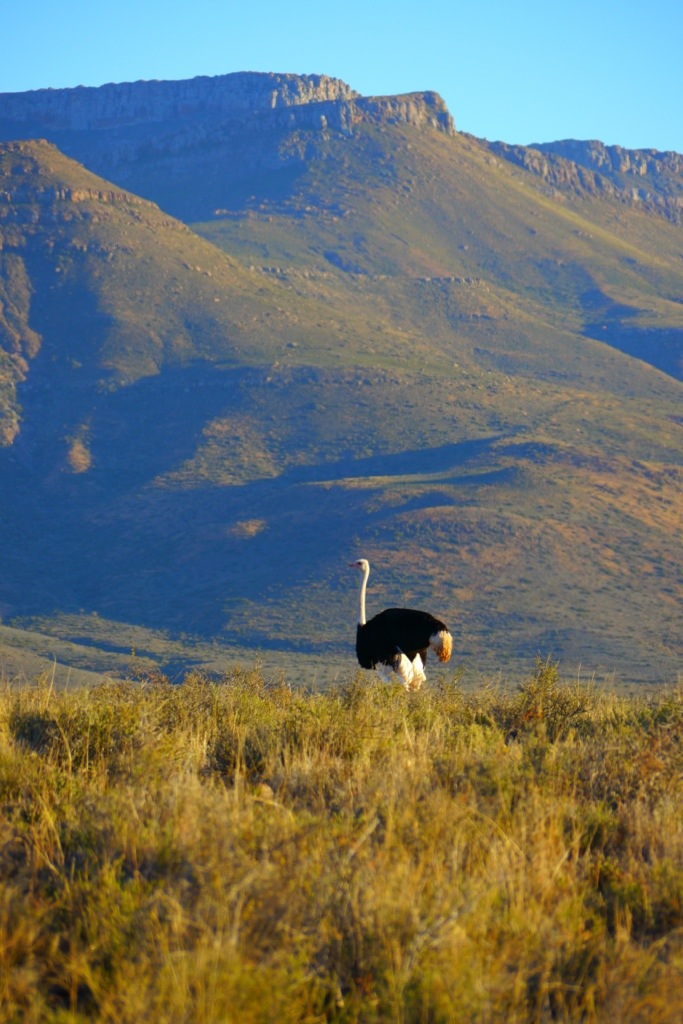
Ostrich / Strauß

20130729-161900.jpg

Gemsbok

20130729-162732.jpg

20130729-162742.jpg

Karoo National Park

20130729-163100.jpg

Day 28: From Franschhoek to the Karoo National Park – on the road

A rainy start / Ein verregneter Start

20130728-125216.jpg

Through the mountains: snow / Über die Berge: Schnee

20130728-125418.jpg

20130728-125657.jpg

20130728-125739.jpg

20130728-125754.jpg

20130728-130024.jpg

20130728-130131.jpg

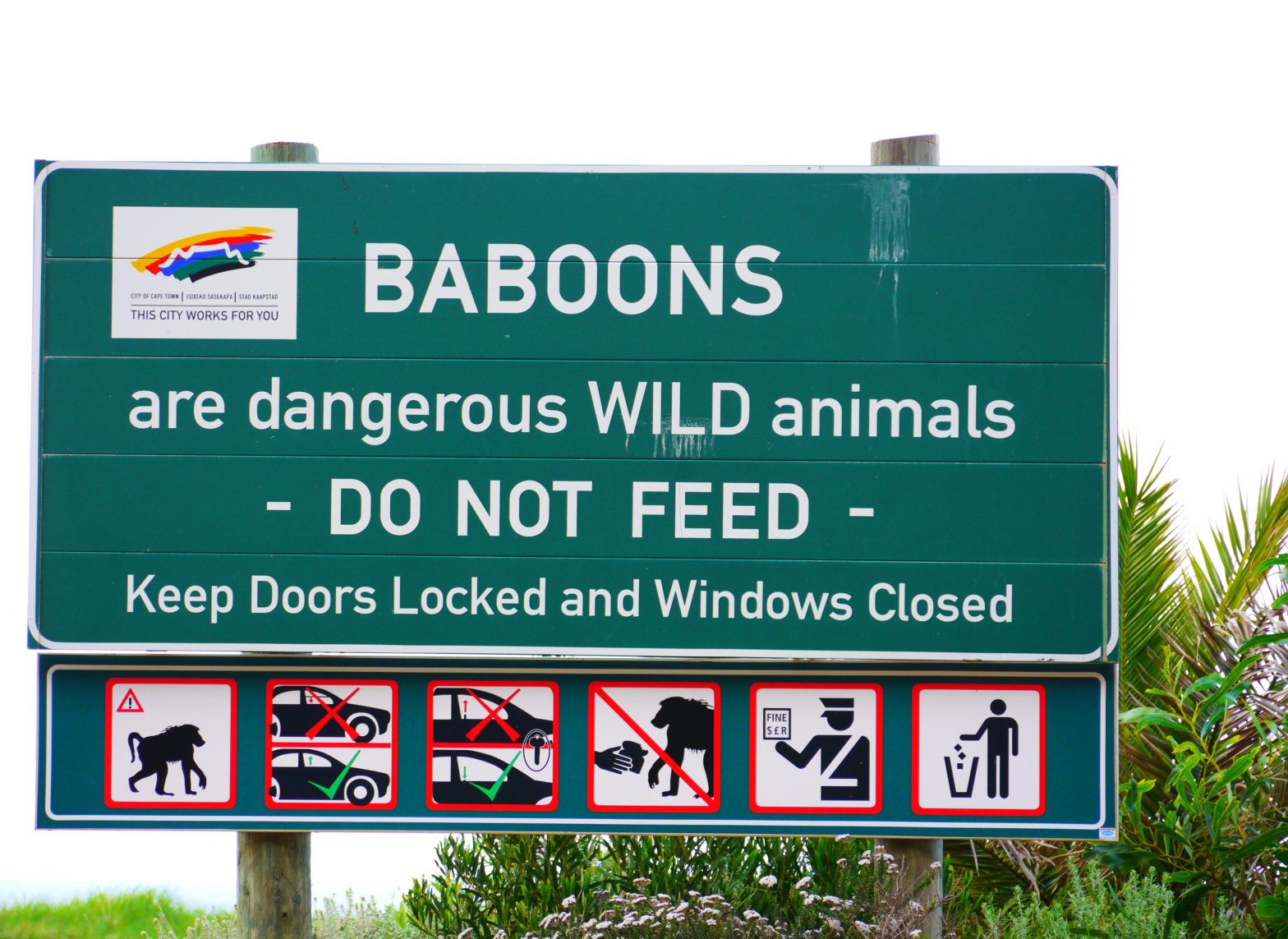
Baboons on the road / Affen auf der Straße

20130728-130303.jpg

Back in the Karoo / Zurück in der Karoo

20130728-130444.jpg

20130728-130545.jpg

Today I publish only some small sized pictures because I am still on the road and as you may guess: The mobile internet in the Karoo is not the best.

Heute haben die Fotos eine geringere Auflösung, da ich noch im Auto unterwegs bin. Und die Internetverbindung in der Karoo ist nicht gerade die beste.

Day 27: Back to colonial times

According to the wishes of my boyfriend we traveled through the Stellenbosch and Franschhoek wine region today. For me this became some kind of travel back in history to colonial times.

Our first trip led us to a winery that produces biodynamic wines and after a tasting we bought six bottles of nearly perfect red and white wine. I think my boyfriend will write an article about biodynamic wine production for 20onemagzine.com shortly, so I’ll skip that part. After that we did a big leap back in history.

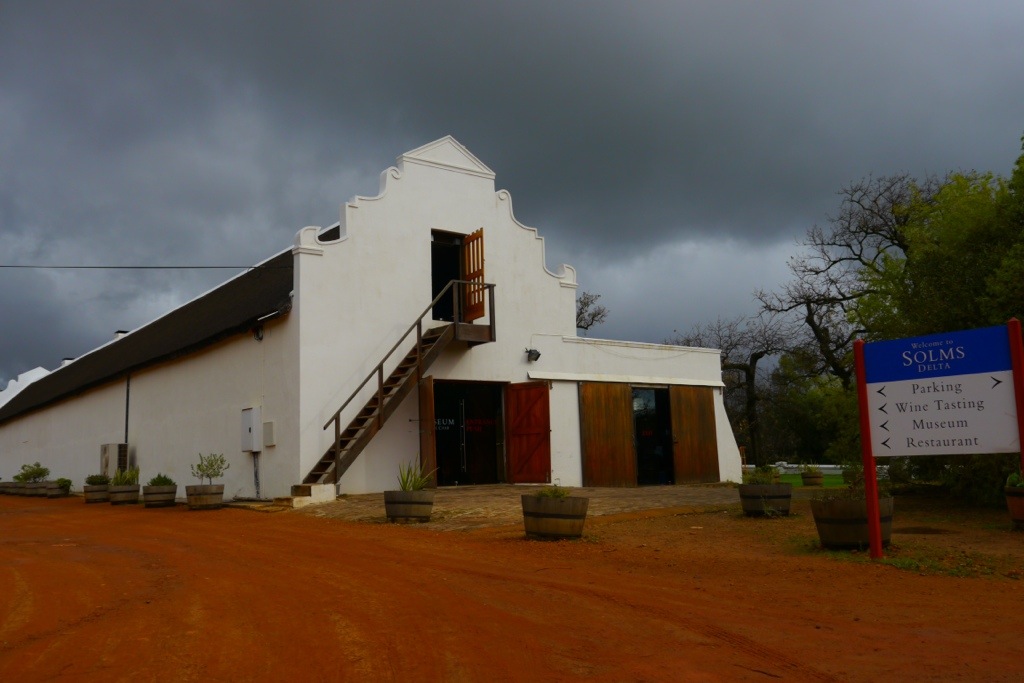
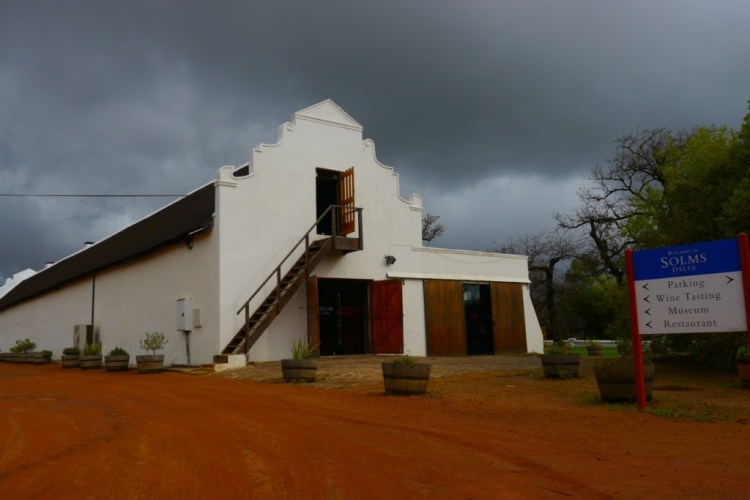
Some days ago I started reading a book by the South African author André Brink, a novel about the slave girl “Philida” who grows up on a wine estate near Franschhoek and after giving birth to four children, all of them children of the owner’s son, should be sold to spare a scandal and to make it possible that the son can marry a rich girl from Cape Town. The lucky coincidence was that my boyfriend chose our next stop to be at Solms-Delta winery because we had tasted a sparkling wine from that estate and he had read that they should also have a good restaurant (sadly fully booked). And that estate is the one Philida had really lived and worked on. He did not know, I did not know… until I read the name of the former owners. The history of Solms-Delta wine estate is documented in a small museum covering the times from the stone age till today not sparing the darker chapters of history like Apartheid or the times when slavery was the machine behind every wine estate. At a wall not only the owners are documented but also the names of their slaves – among them Philida and her four children, two of them died in infancy.
20130727-204517.jpg

20130727-204553.jpg

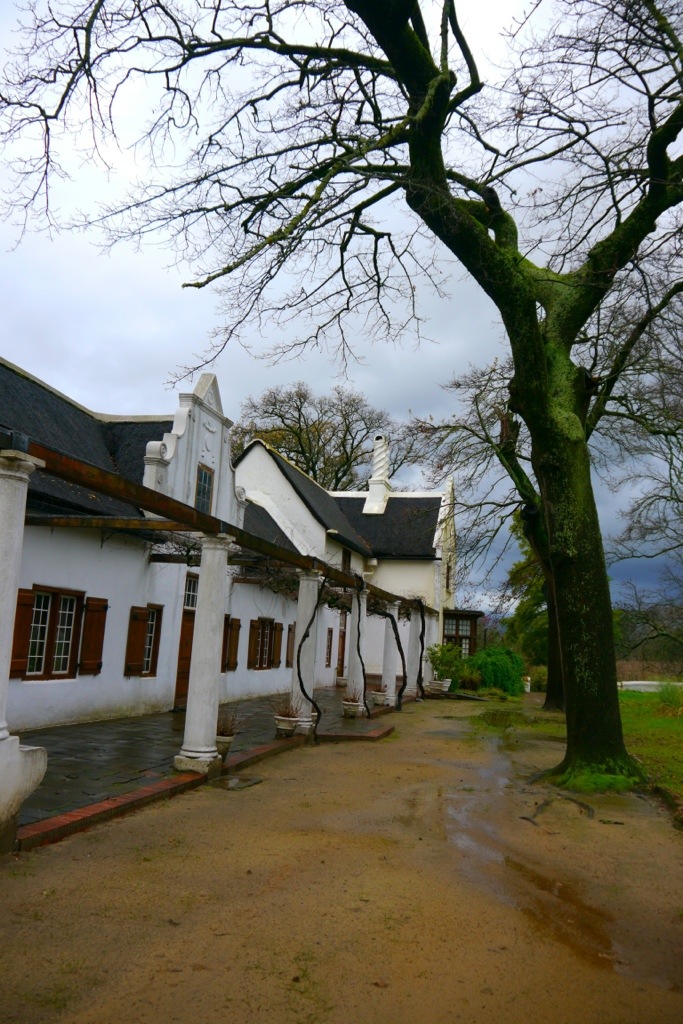
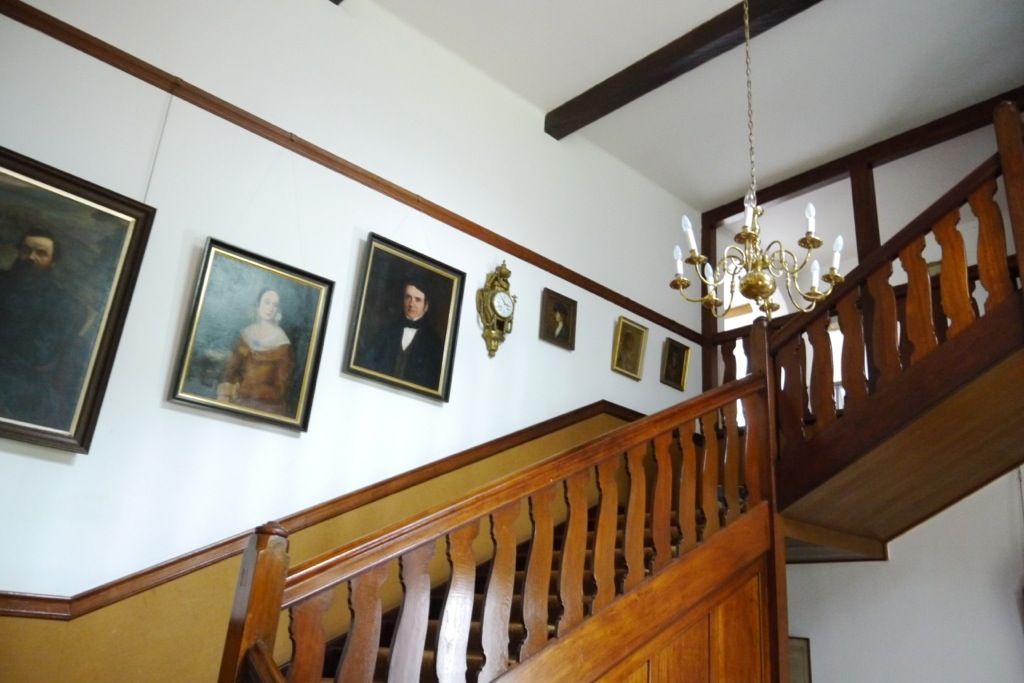
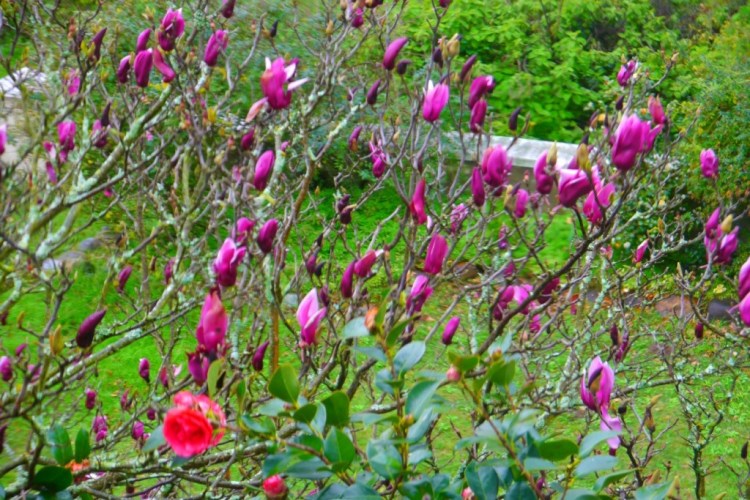
The accommodation we have booked is one that breathes history in every doorframe, window and wooden floor panel. The Lekkerwijn estate was granted to the French Huguenot Ari l’Ecrivant in 1690 and since no Dutch could properly pronounce his name it was changed into Lekkerwijn. L’ Ecrivant was later killed by his neighbour who lived on no other wine estate than Solms-Delta we have visited a few minutes before checking in at Lekkerwijn.

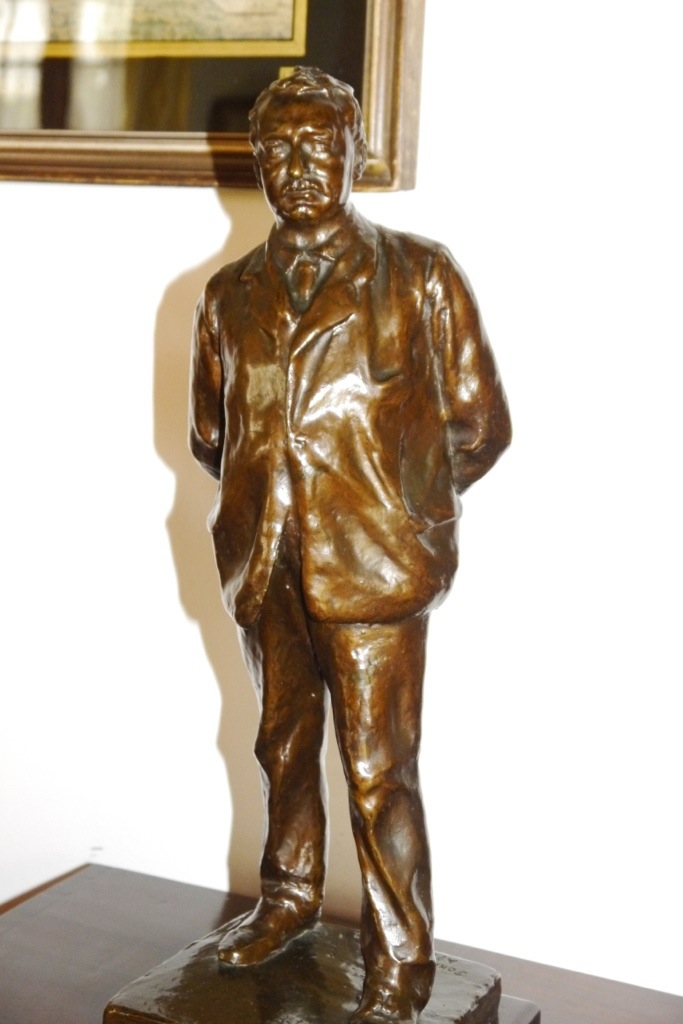
We are guests in the house of Cecil Rhodes, the famous, infamous British colonial businessman who started in the diamond mines in Kimberley and later owned half of South Africa.
20130727-204741.jpg

Cecil Rhodes bought Lekkerwijn in the 1890s as a fruit farm together with his business partners when the wine makers were in a crisis because the vines were infested with Phylloxera. Cecil, who made his first money in importing an ice machine to sell ice cream to the miners, always the businessman bought 29 farms in the region and as alternative to wine established his successful fruit company. During that time he lived at Lekkerwijn. And that’s where I am now.

20130727-204850.jpg

20130727-204927.jpg

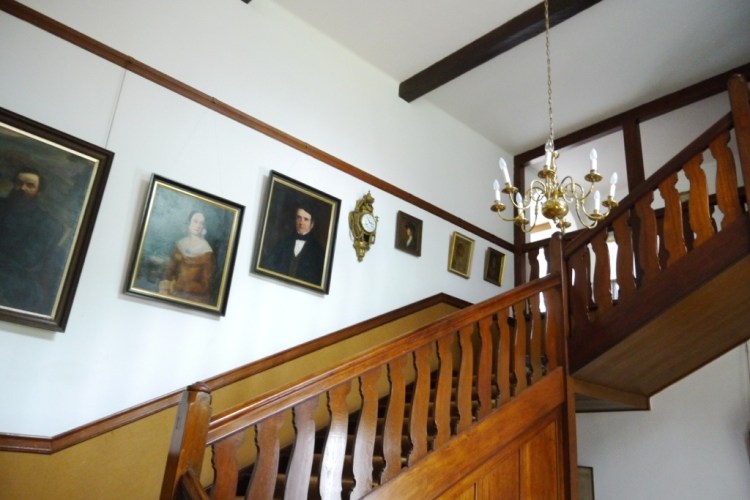
Every room is stuffed with history, the building still family owned is led by a German couple, Klaus and Martina, who had beforehand lived in Barrydale and Somerset West and came to Lekkerwijn end of last summer. Before entering our room they are giving us a tour, through the old entrance hall, the dining and living room and the inner courtyard towards the kitchen.

20130727-205101.jpg

20130727-205115.jpg

20130727-205123.jpg

20130727-205131.jpg

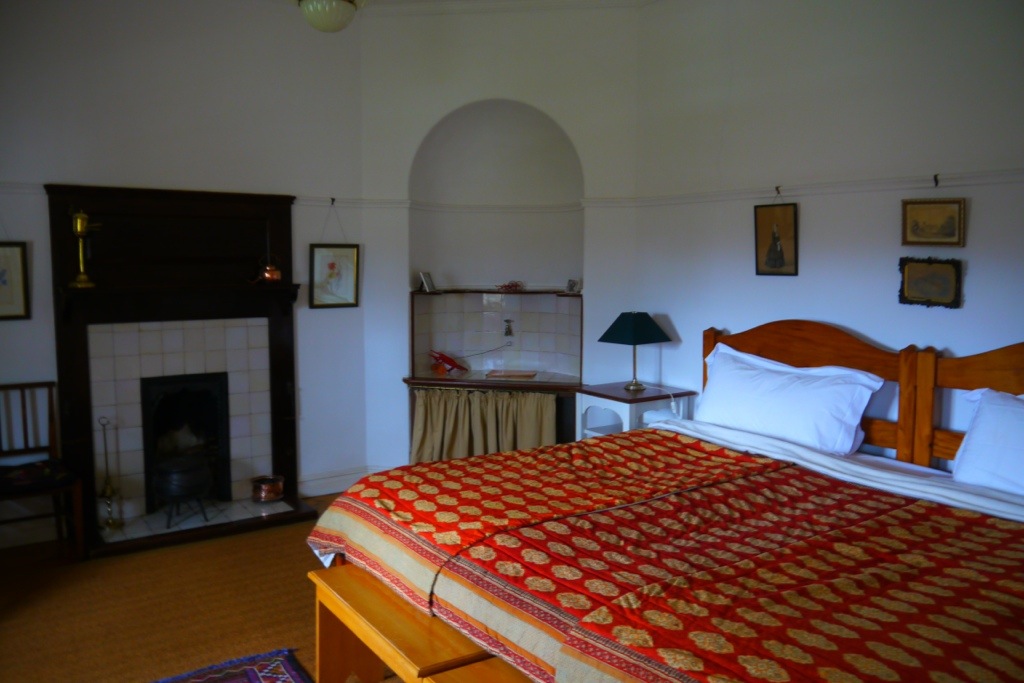
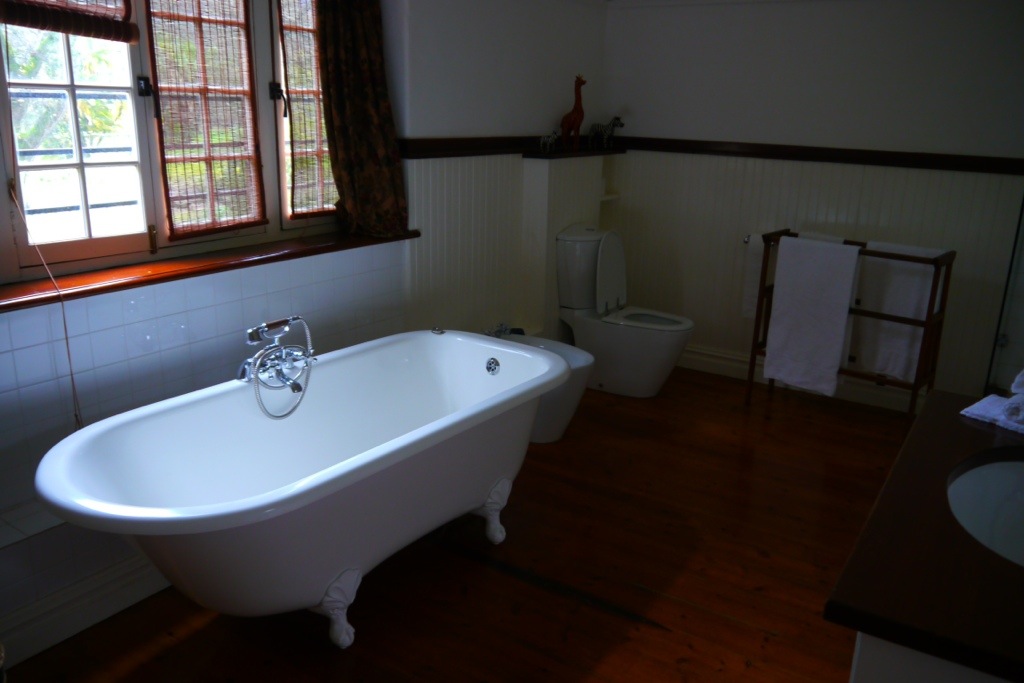
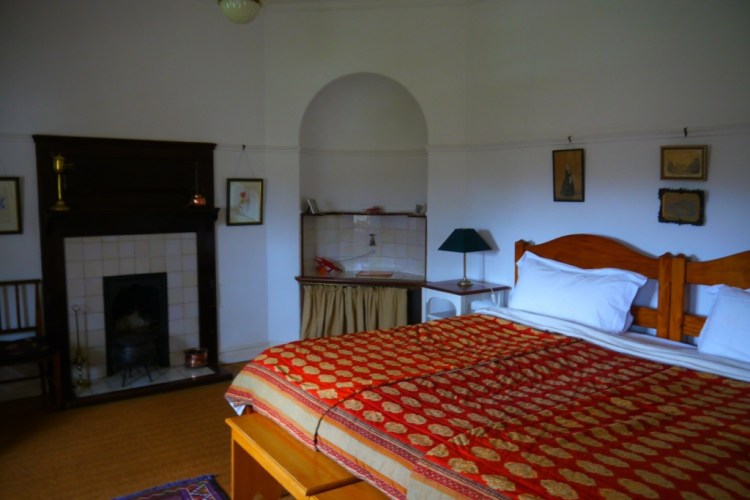
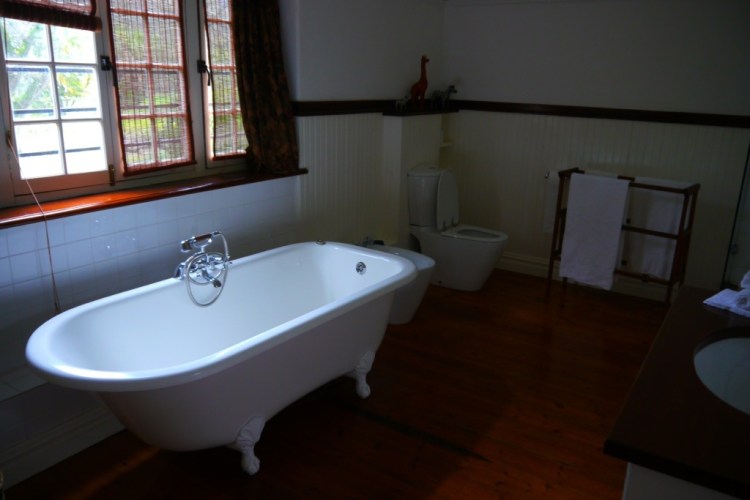
We are currently staying in the old nursery, where once the children of the family slept. This is why the windows are barricaded with iron bars. Not because people should not get in, but so that the children could not flee outside in secret.
20130727-205224.jpg

20130727-205248.jpg

After checking in we had coffee and tea with Klaus discussing our travels and his life in Africa. But this is a different story to tell.

Unsere heutige Tour durch die Weingebiete von Stellenbosch und Franschhoek entwickelte sich mehr aus Zufall, denn sorgfältige Planung zu einer Reise zurück in die Kolonialgeschichte Südafrikas. Ich habe mich den ganzen Tag eigentlich treiben lassen, da mein Freund im Vorfeld die Weingüter ausgesucht hat, die er gerne besuchen wollte. Start war ein Weingut, dass biodynamischen Wein nach Demeter Richtlinien produziert, doch da demnächst zu dem Thema ein Artikel auf 20onemagazine.com erscheinen wird, überspringe ich diesen Part.

Ein nicht ganz beabsichtigter Sprung rückwärts in der Geschichte

Auf dem Plan stand der Besuch eines Weinguts, dessen Sekt wir letztens in der Weinhandlung gekauft hatten. Zudem behauptete mein Freund, das Weingut hätte ein gutes Restaurant für ein spätes Mittagessen. Daraus wurde nichts, dank einer großen Reisegruppe war das vollkommen ausgebucht. Statt dessen gab es auf dem Solms-Delta Estate für uns eine weitere Weinprobe und ein Besuch im kleinen aber gut ausgearbeiteten Museum des Weinguts mit der Geschichte von den ersten Siedlungen in der Steinzeit bis heute. Das Weingut hat eine Stiftung gegründet, um die Arbeiter am Gewinn und Erfolg des Weinguts teilhaben zu lassen, auch als Wiedergutmachung für die dunklen Kapitel der Geschichte, für Apartheid und für die Zeit als Sklaven hinter dem Erfolg jedes Weingutes standen.

Und dieser Teil der Ausstellung war für mich die Überraschung. Denn vor wenigen Tagen habe ich angefangen ein Buch von André Brink zu lesen, dass die Geschichte der Sklavin “Philida” auf einem Weingut bei Franschhoek erzählt. Basierend auf wahren Ereignissen, hatte ich mir fest vorgenommen zu recherchieren, wo genau das Weingut liegt. Doch das hat sich inzwischen erübrigt, denn durch Zufall bin ich genau dort gelandet. An der Wand im Museum: Nicht nur die Namen der Besitzer, sondern auch die der Sklaven, darunter Philida und ihre vier Kinder, zwei von ihnen schon als Säuglinge gestorben.

Nicht weniger historisch ist unsere Unterkunft: Lekkerwijn ging 1690 an den Hugenotten Ari L’ Ecrivant, doch da dessen Namen keiner der niederländisch stämmigen Bevölkerung aussprechen konnte, wurde daraus Lekkerwijn.

In den 1890er Jahren kaufte kein anderer als Geschäftsmann und Kolonialherr Cecil Rhodes das Anwesen, um gemeinsam mit Geschäftspartnern eine Obstfarm zu eröffnen. Die Weinindustrie steckte wegen eines Parasitenbefalls mit der Reblaus in der Krise und so kaufte Rhodes, der sein erstes großes Geld in den Diamant-Minen gemacht hatte (unter anderem indem er Eis an die Minenarbeiter verkaufte und Wasser aus den Grabungslöchern pumpte), 29 Farmen in der Umgebung und baute sie von Wein- in Obstfarmen um. Zu der Zeit lebte er auf Lekkerwijn. Heute bin ich also zu Gast bei Cecil Rhodes.

Heute gehört das Haus in der 5. Generation der Familie Pickstone, wird aber seit letztem Sommer (südafrikanischem Sommer, also deutschem Winter) von einem deutschen Paar geleitet. Martina und Klaus haben uns das ganze Haus gezeigt, vom Esszimmer, wo es Frühstück gibt, über Musikzimmer und Kaminzimmer, die die Gäste des Bed and Breakfasts mitnutzen können, bis zu Küche, in dem Martina noch auf dem alten Herd Frühstück kocht. Das Haus atmet Geschichte, nicht nur die antiken Möbel und das alte Porzellan: An den Wänden hängen Familienporträts, in den Regalen stehen alte Bücher, an der Treppe ein alter Plattenspieler und nicht zu vergessen der Flügel… auf dem ich spielen dürfte. Nur habe ich weder Noten dabei, noch kann ich ein Stück auswendig. Und bei dem Noten die auf dem Klavier liegen muss ich passen…

Martina jedenfalls hat erst einmal Kaffee und Tee vor dem Kamin serviert und Klaus erzählt von ihrem Leben in Südafrika, aber das ist eine Geschichte für einen anderen Tag.
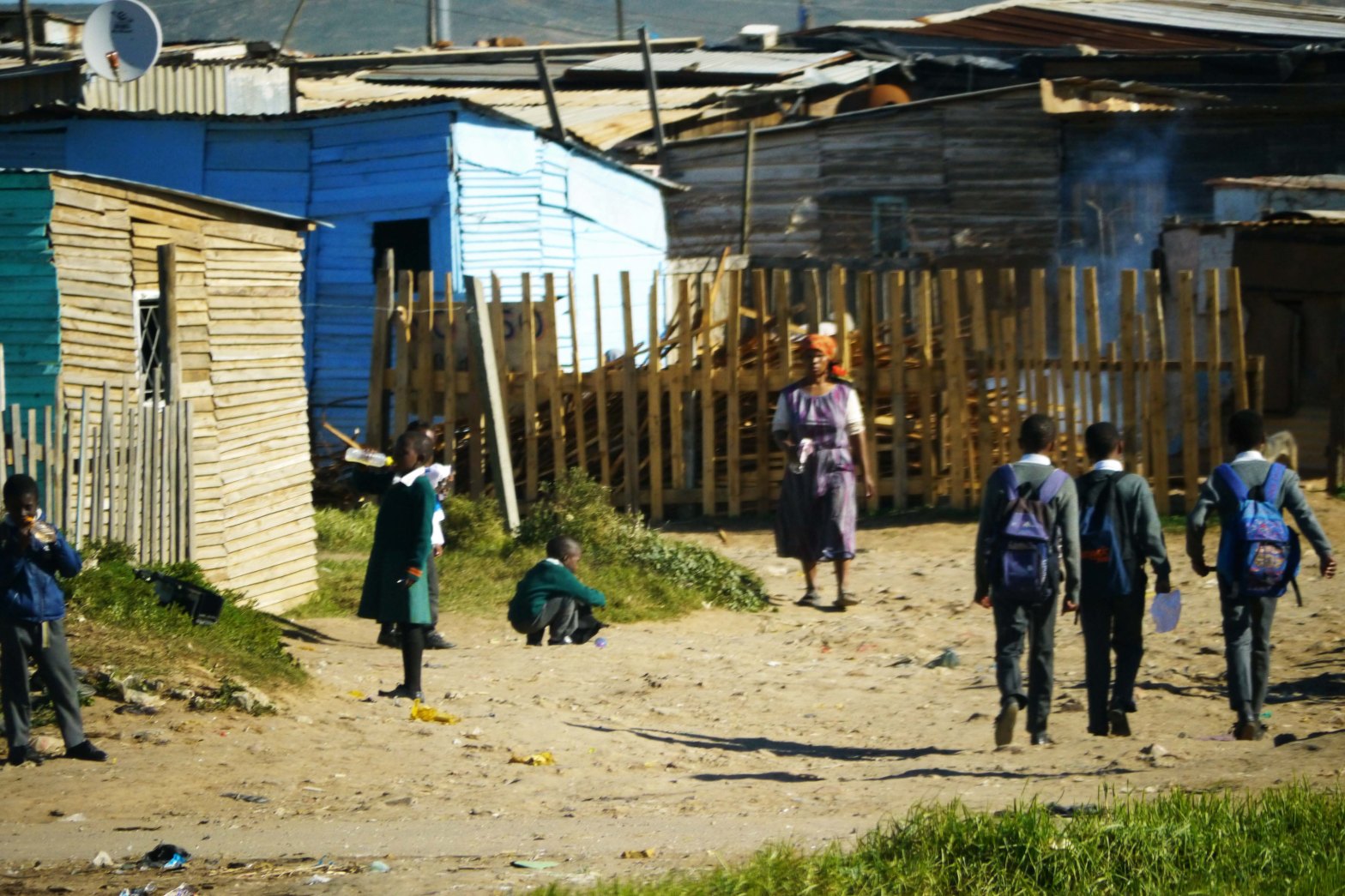
Day 26: Robben Island and (not) Cape Point

Robben Island

This morning at 9 am I took the ship to visit the infamous prison island “Robben Island” where during times of Apartheid political prisoners were held captive. It was apparently a good decision to start the day early because a short time later the ferry company decided to cancel the other two trips of the day due to bad weather and bumpy sea. So the trip to the island was quite rough, three hours later on the way back the captain did not only slowen the boat, paper bags were also handed out in case someone got seasick.

To be honest as a historian and always interested in sites of historical importance Robben Island was a disappointment. The trips are completely organized and structured with few time left to read for example information sheets or walk through the cell complex. Directly after arriving at the island all travellers are split into groups and distributed to buses already waiting at the harbour.

Perhaps my group was simply unlucky and got a bad guide, but to make it short the one hour and fifteen minutes drive (not 45 minutes like told on the websites) lacked information, instead the guide thanked every nation on the bus for its contribution in fighting Apartheid. And applauded us – not only once. Really? Because all our nations from the USA to Germany were so eager to help it took nearly 50 years to overthrow an oppressive political system. And I was eight in 1990 by the way, so please…

But what was worse: The information the guide provided on the sites were barely more than what any one could read up on Wikipedia.

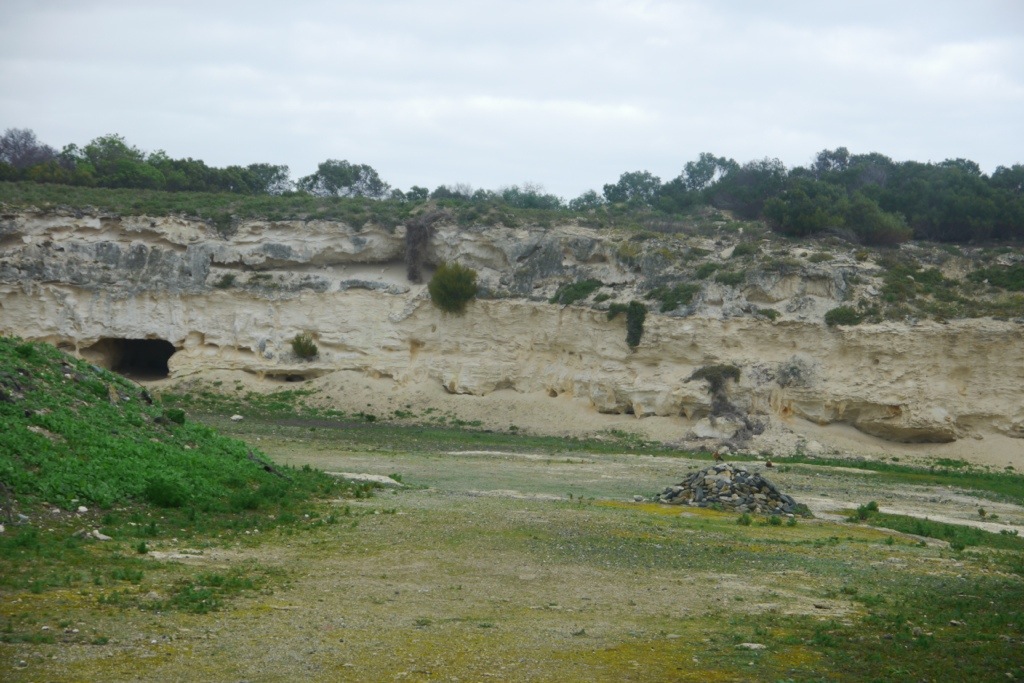
For example about the lime quary where the political prisoners had to force labour during their time of imprisonment.

20130726-185819.jpg

The first short stop where people were allowed to leave the bus was at the site where Robert Sobukwe, founder of the Pan Africanist Congress, was held in solitary confinement. Even though he had been sentenced to three years on Robben Island after protest against the Pass Law in March 1960, he was held there until 1969 after the state had passed the General Law Amendment Act, allowing to renew a sentence every year. It was a procedure also known as “Sobukwe clause”.

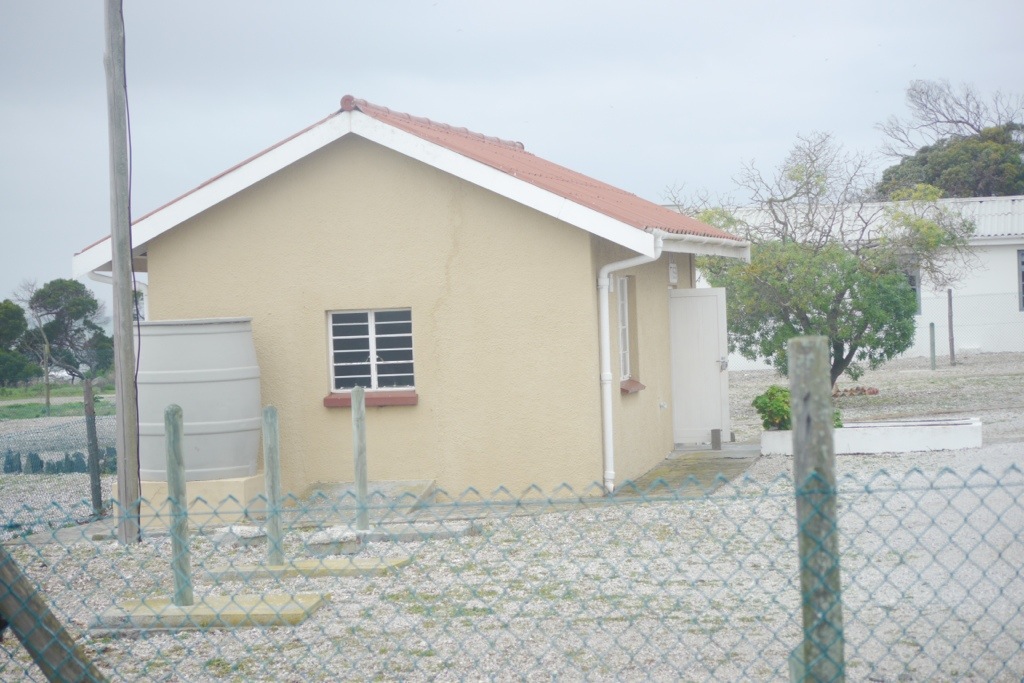
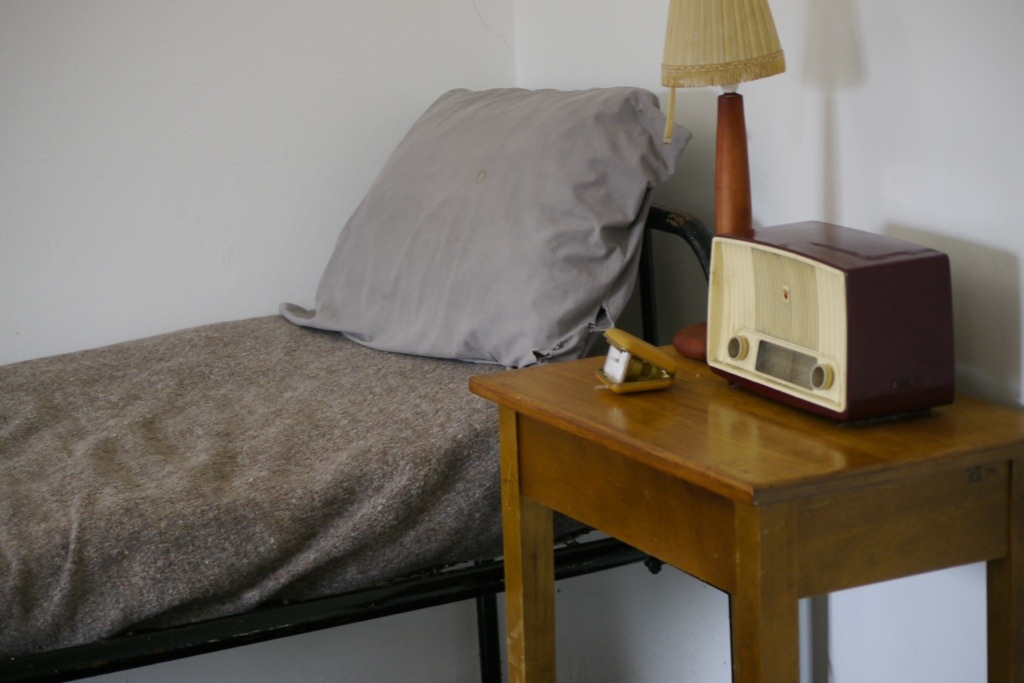
Sobukwe’s house and bedroom, next to dog stalls

20130726-190836.jpg

20130726-190903.jpg

20130726-190918.jpg

It is a well made exhibition with lots of information sheets and for example the love letters Sobukwe had written to his wife. But because of the big bus group it was rather crowded and after 15 minutes the guide called everyone back to the bus, leaving no time to more than glimpse the information. Instead we were driven to a viewing point with a beautiful (but thanks to clouds not existant) view upon Cape Town. But there was a little shops to buy sweets and drinks and souvenirs…

Rather late the bus arrived at the point most were actually interested in, the block where the politicals had been imprisoned.

20130726-191328.jpg

And here the trip did improve, because former prisoners guide the tours (even though thanks to the long bus trip and the departure of the ferry ours was a rather shortened one).

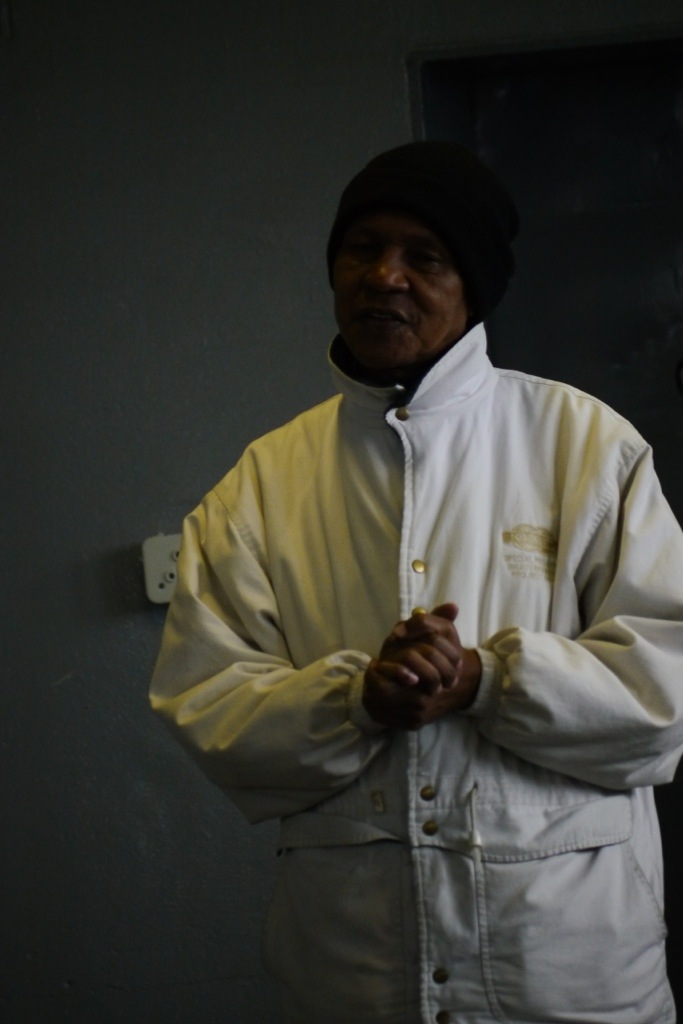
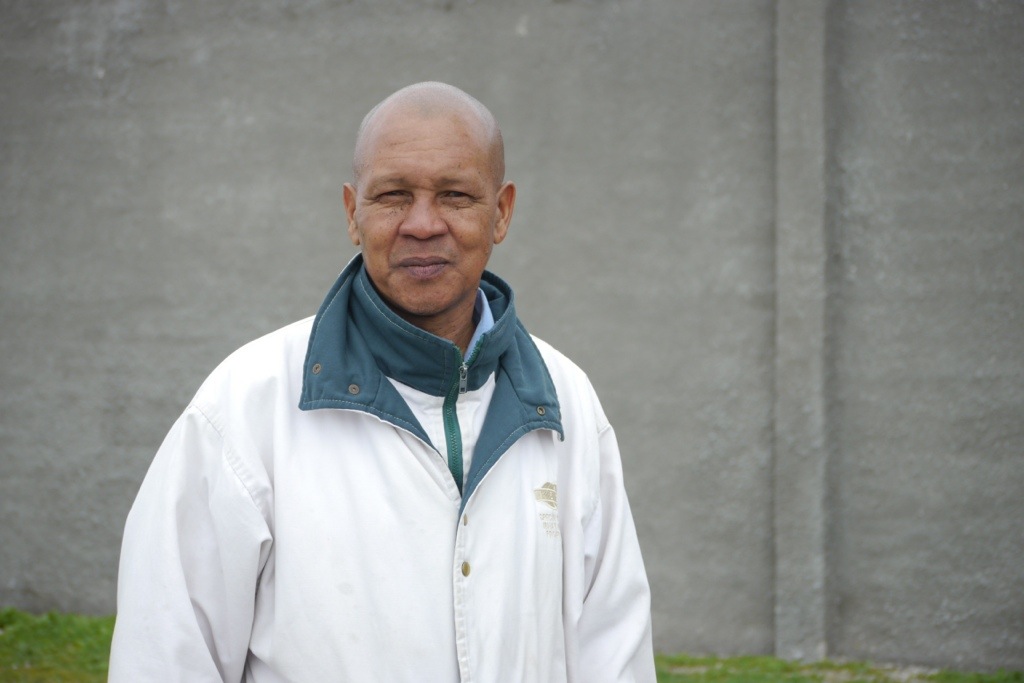
Our guide was Jama who had been imprisoned in Robben Island from 1977 to 1982.

20130726-191616.jpg

Born and raised in Port Elizabeth Jama had been quite young when he was sentenced to this rather long stay on Robben Island. Still in highschool someone had organized a protest to participate at the youth uprising that at the same time shook Soweto in Johannesburg. Jama protested and was arrested.

Asked about this Jama becomes quite shy. How old had he been? “Young”, he say and smiles, “very young.”

Jama does not speak much about himself, prefers to talk about the famous prisoners like Mbeki or Mandela or the general conditions on Robben Island. Our group sits in one of the group cells where up to 50 men had been imprisoned, first sleeping on matresses on the bare ground, later after international protests in beds.”Was it crowded?” a schoolgirl from the US asks. Jama shakes the head. “Not really. When it was 50 in one cell maybe, but most times it was less.”

He then tells about the food that was part of the segregation policy, food provision depended on the race.

20130726-192648.jpg

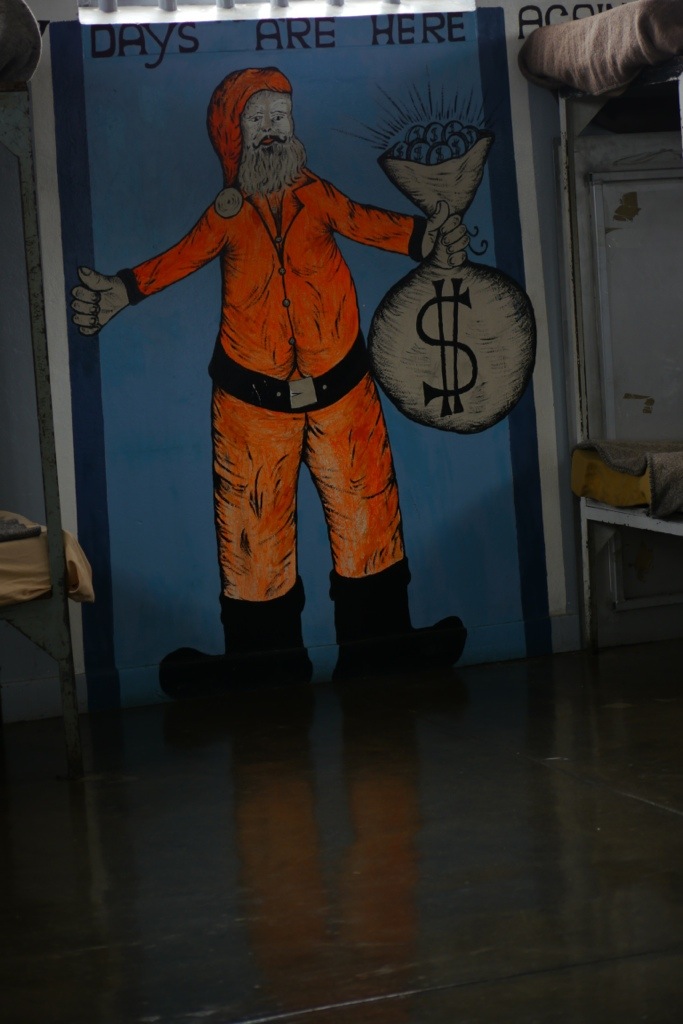
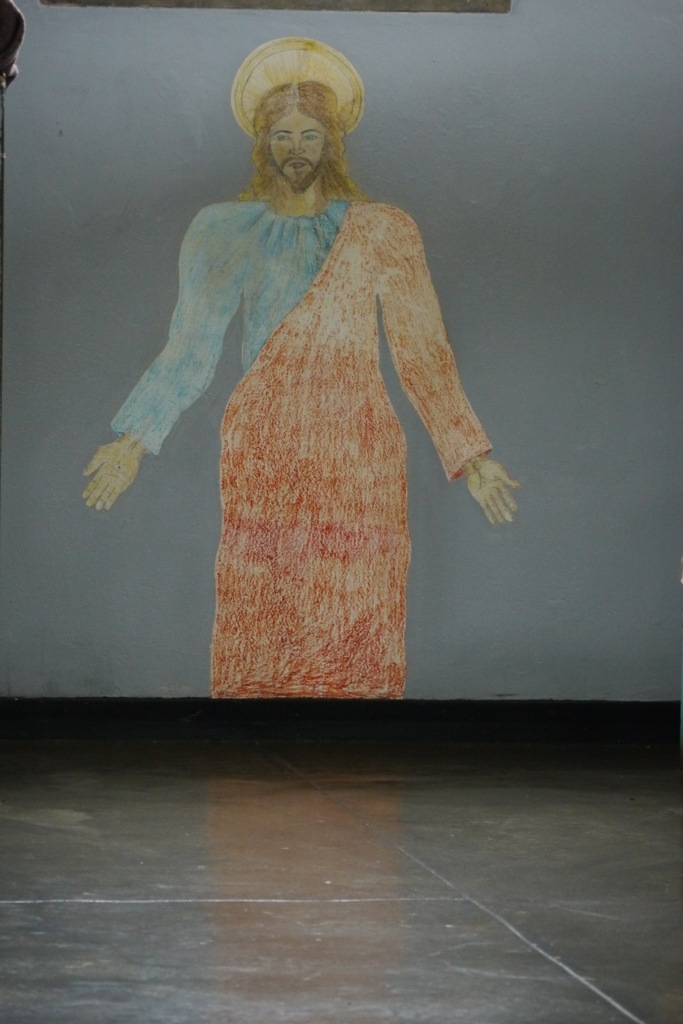
On the wall of the room there are paintings, but those he tells are from later prisoners, criminals who came here after 1990 and before the prison was closed in 1996.

20130726-192919.jpg

20130726-192932.jpg

Next to the group cell is still the bathroom, prisoners there could shower as often as they liked, says Jama: “With sea water.” And until 1973 only a cold shower.

20130726-193535.jpg

And then there is prisoner number 46664. Everyone speaks about 46664 all the time on Robben Island, the famous man, the 466th prisoner who arrived on the island in 1964. Mandela. Mandela is everywhere, the big icon overshadowing all the other prisoners with his fame and importance. Of course visiting Mandela’s cell is the highlight and last point of every visit, the important part you are prepared for all the journey. And because it is a tiny cell in a small corridor and it is crowded when group after group is passing by, people looking in, taking a picture and move on. “Hurry, hurry”, another guide says. The ferry is already waiting.
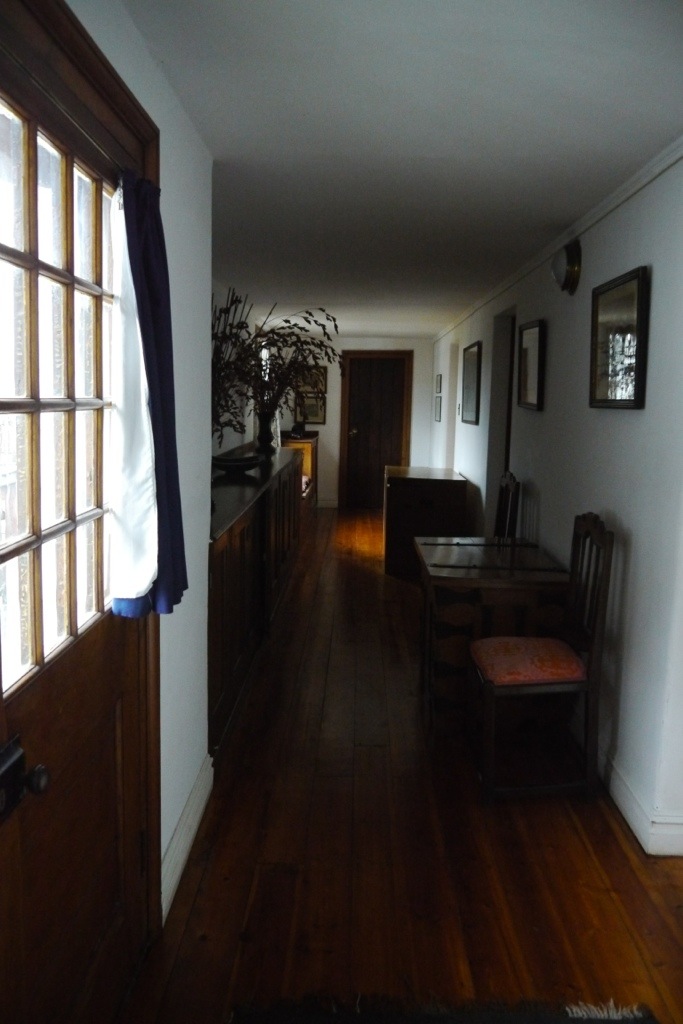
Mandela’s cell

20130726-194056.jpg

20130726-194108.jpg

20130726-194128.jpg

The last visiors of our group leaving

20130726-194259.jpg

At the exit Jama shakes everyone’s hand and says goodbye. That’s when I ask him if I could publish a photo I have taken of him on my website because I am writing about my visit. Of course I can, but then I should also take a nice picture without his hat and in the sunshine. And so I did, he approved, here it is:

20130726-194346.jpg

After Robben Island we decided to have a more cheerful programm in the afternoon and took the car towards Cape of Good Hope.

20130726-194536.jpg

Sadly we never arrived at

Cape Point

Cape Point is part of a national park and at the entrance the cash mashine was defect – no credit cards today… And me and my travel companion did not have enough cash. Great. So that was the closest I came to Cape Point:

20130726-194751.jpg

The alternative program

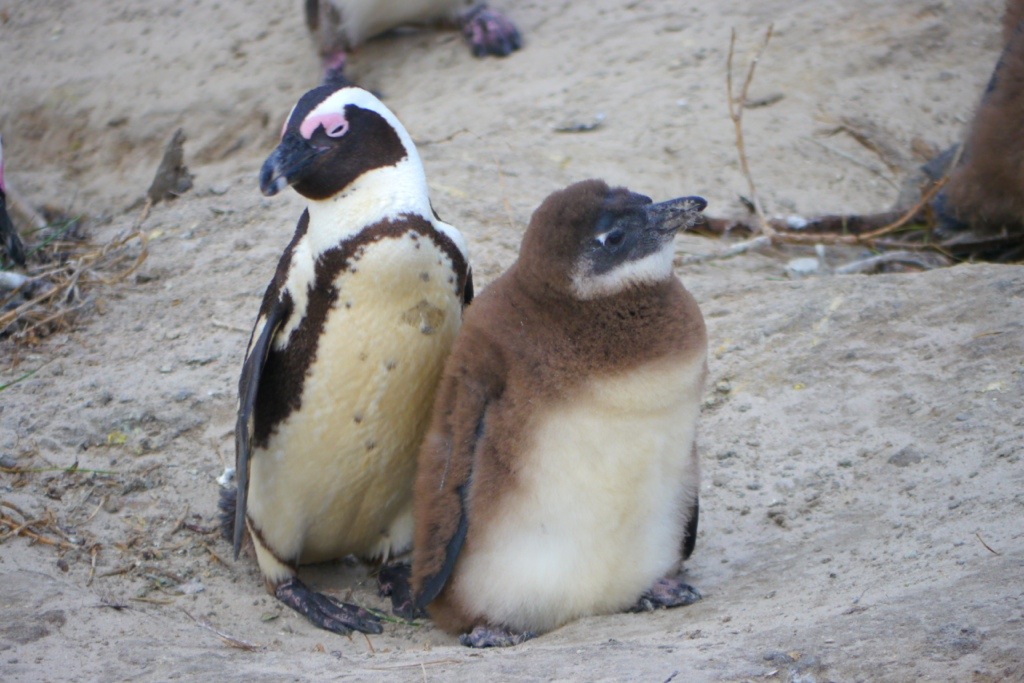
Penguins at the Boulder

20130726-195228.jpg

20130726-195236.jpg

20130726-195242.jpg

20130726-195256.jpg

20130726-195320.jpg

20130726-195331.jpg

20130726-195251.jpg

20130726-195305.jpg

20130726-195313.jpg

—-

Die deutsche Version folgt später.

Day 24: From Swellendam to Cape Town

Best buddy

Sleeping and living in the bunk bed in our appartment. / Der Bewohner des Hochbetts in unserem Ferienappartment in Swellendam.

20130724-185707.jpg

Hilltop Country Retreat

One of the loveliest appartments I have ever slept in. / Eines der schönsten Ferienappartments…

20130724-183537.jpg

Goodbye Lucky

One of our landlady’s dogs: an expert in begging for breakfast and some cuddeling. / Einer der Hunde unserer Vermieterin in Swellendam, ein echter Bettelexperte, wenn es um Frühstück und Streicheleinheiten geht.

20130724-183738.jpg

The old Drostdy, Swellendam

Residence of the Landdrost and later of the British governership, today a museum (more infos follow soon). / Sitz des Landdrost, eines Verwaltungsbeamten der Niederländischen Ostindien Kompanie, und später des englischen Gouverneurs. Heute ist es ein Museum für Regionalgeschichte (mehr Infos gibt es in einem späteren Blogeintrag).

20130724-184514.jpg

20130724-184532.jpg

20130724-184543.jpg

Swellendam church

20130724-184730.jpg

On the road to Cape Town – changing landscape

20130724-184914.jpg

20130724-184958.jpg

20130724-185007.jpg

20130724-185023.jpg

20130724-185038.jpg

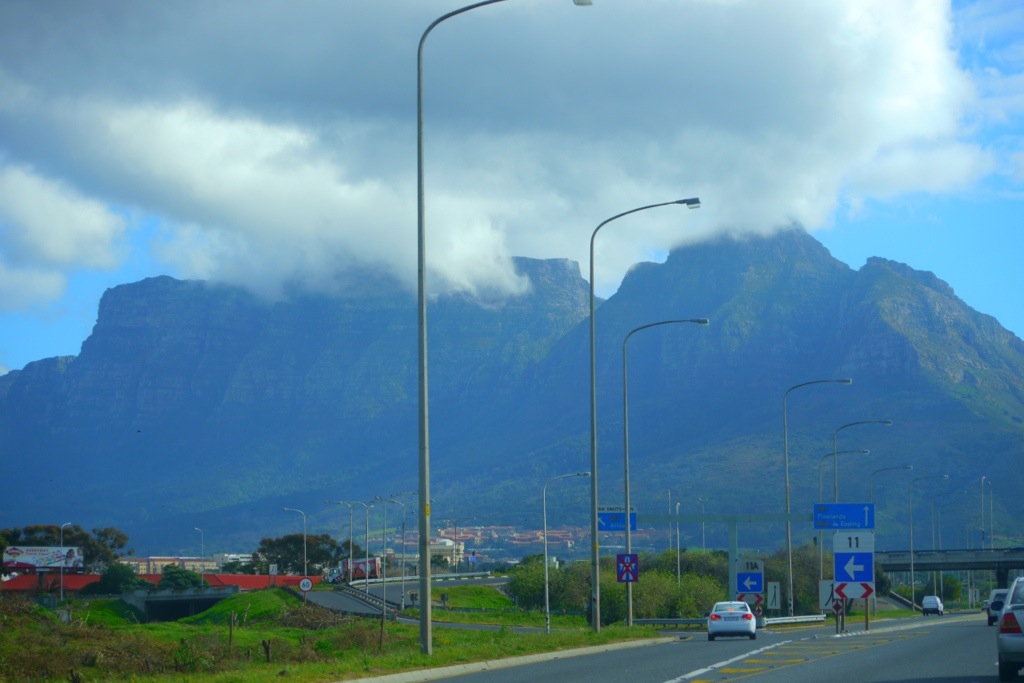
A first glimpse: Table mountain / Ein erster Blick auf den Tafelberg

20130724-185146.jpg

Day 23: From Knysna to Swellendam

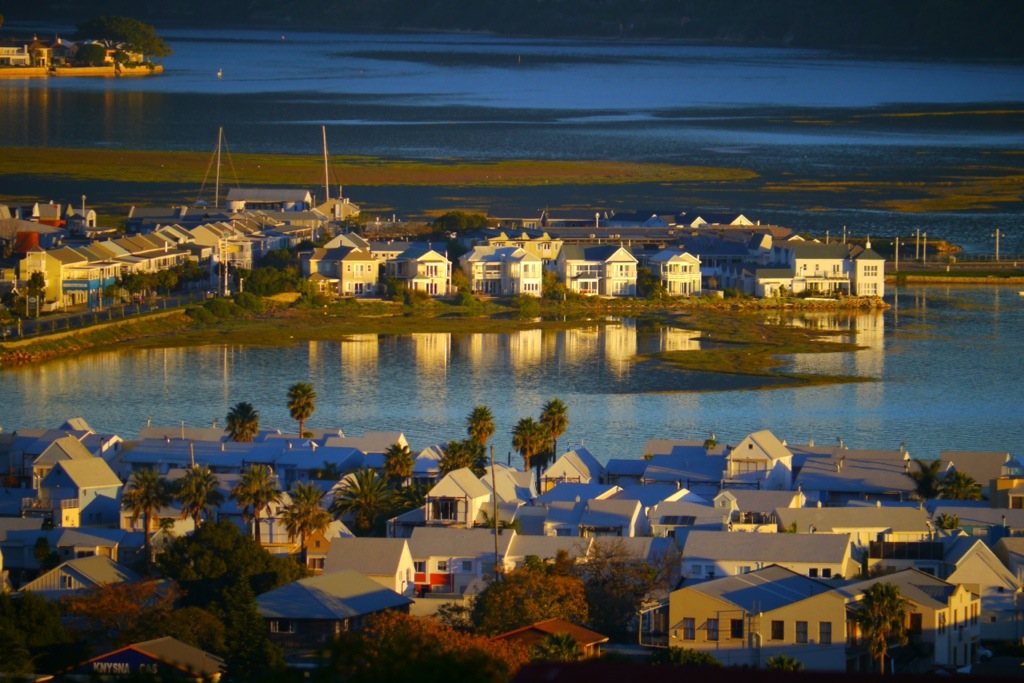
Knysna Hillview

20130723-183519.jpg20130723-183544.jpg

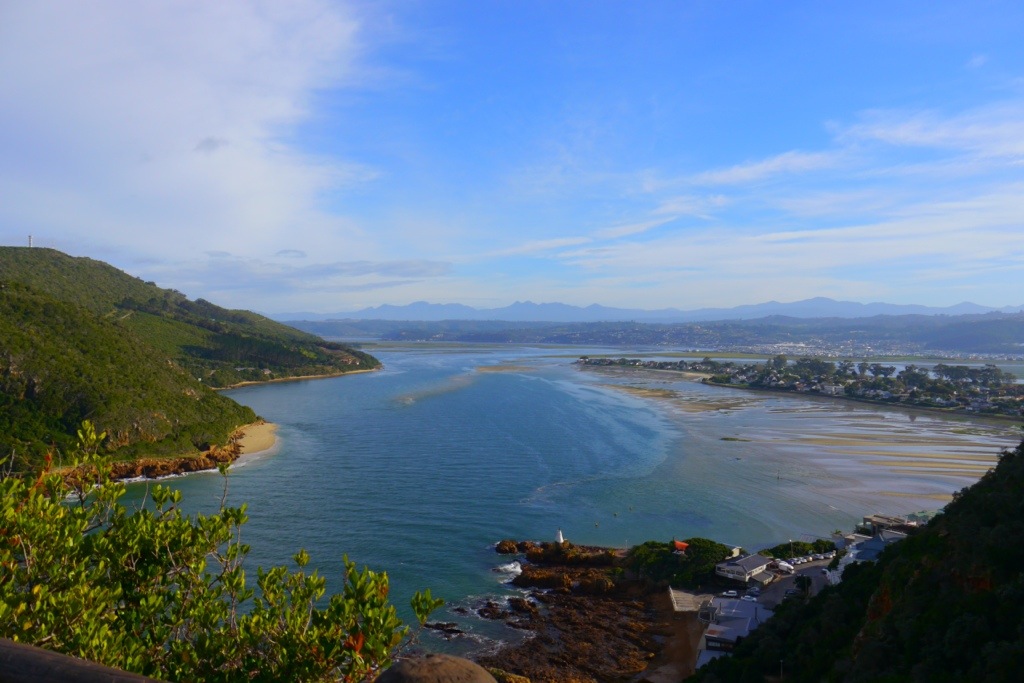
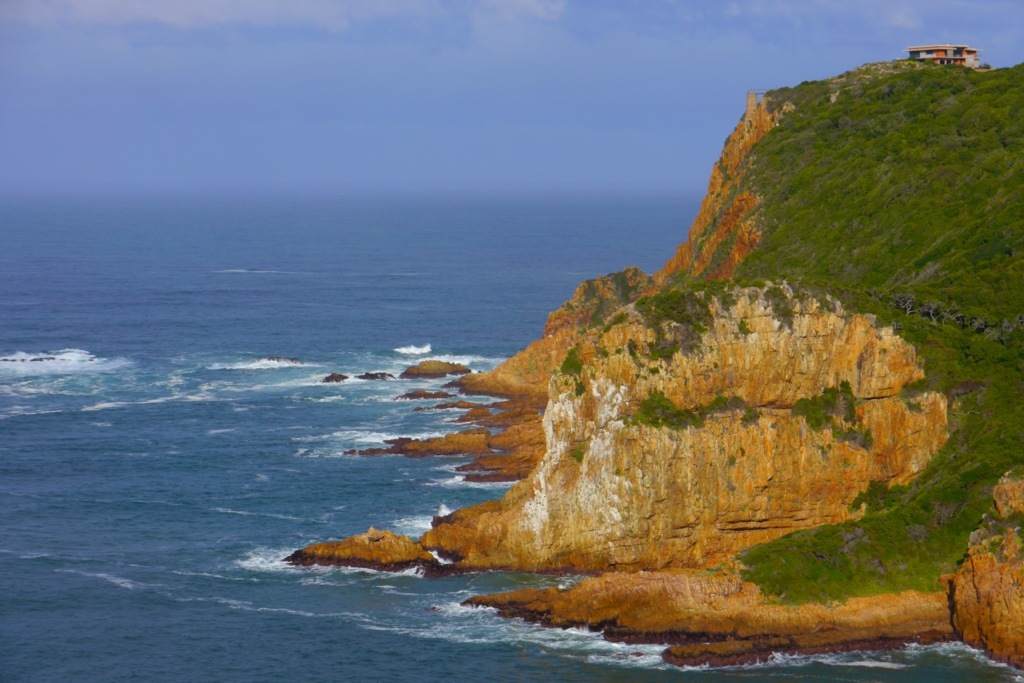
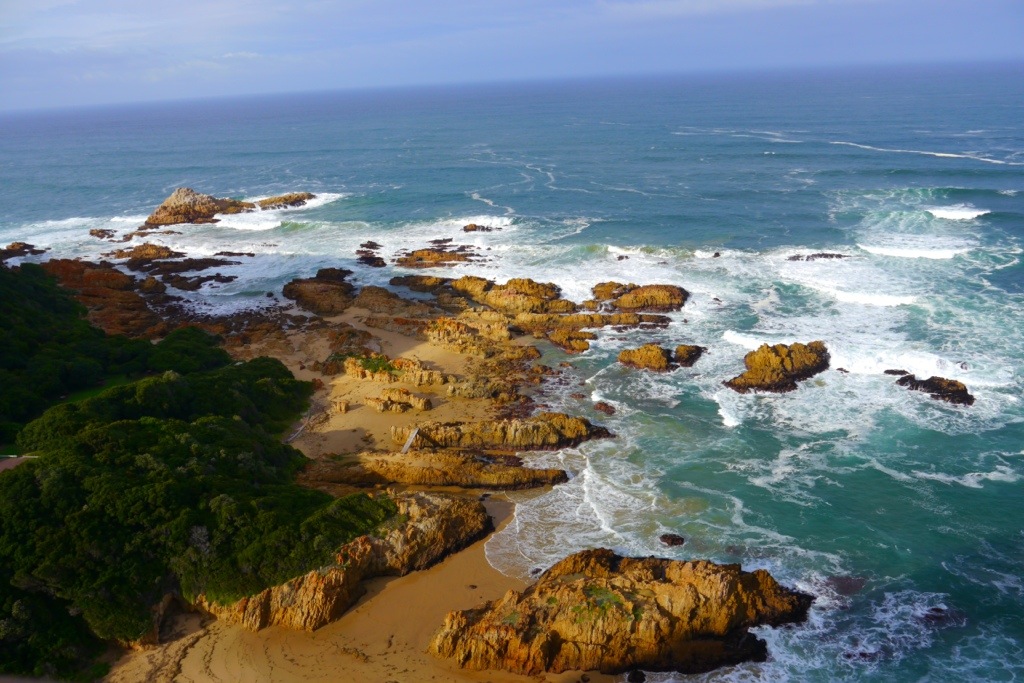
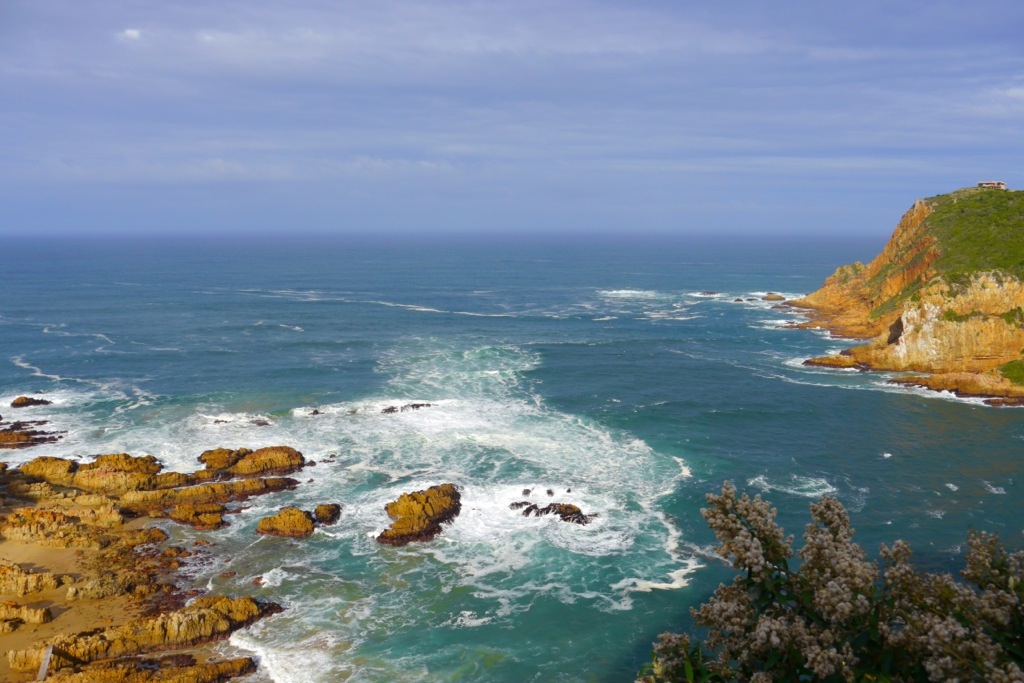
Knysna – The heads

Entry to the lagoon / Tor zur Lagune

20130723-183642.jpg20130723-183656.jpg20130723-183717.jpg

20130723-183801.jpg

Bontebok National Park

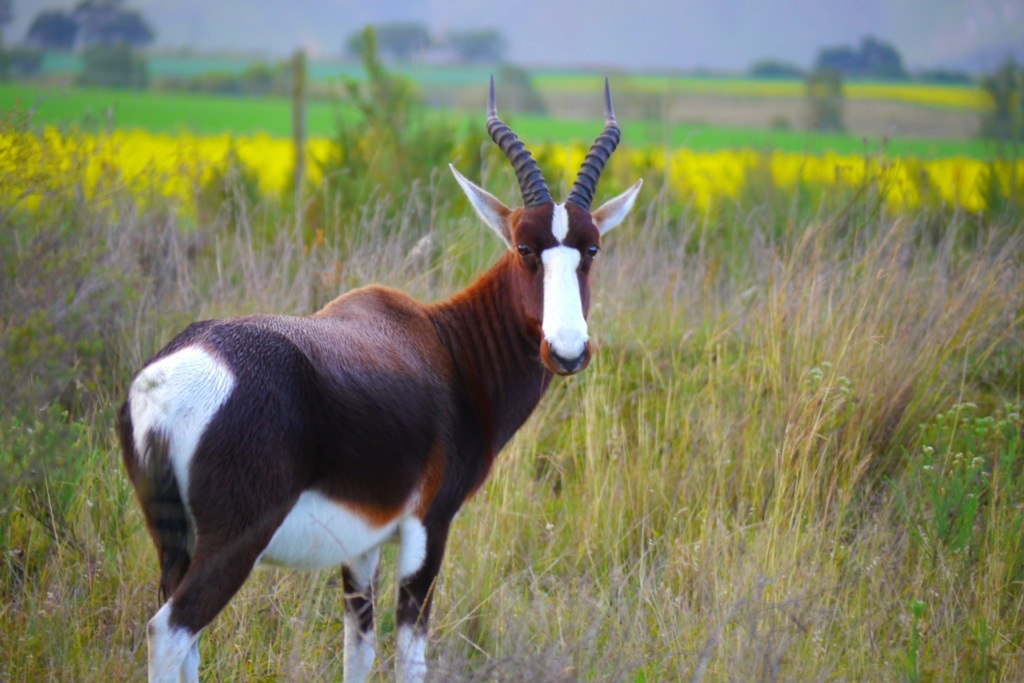
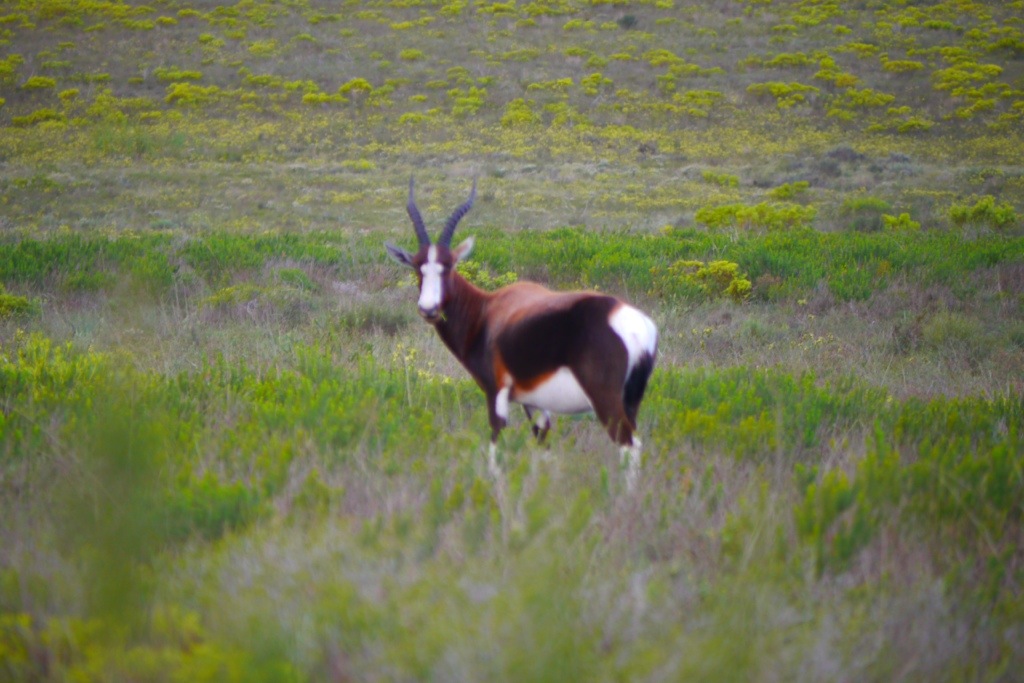
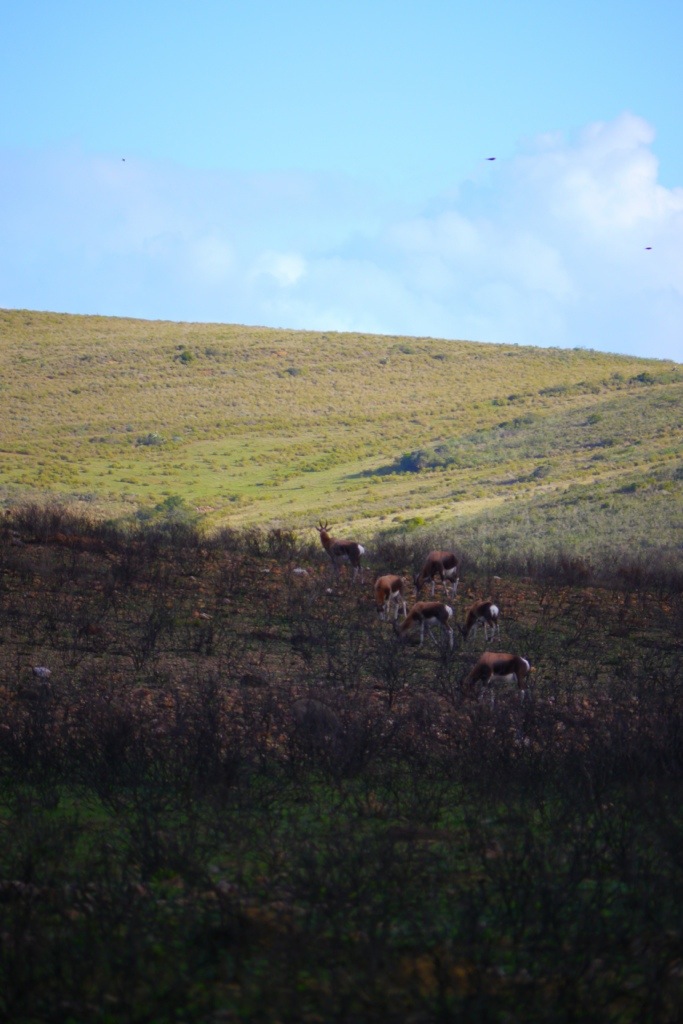
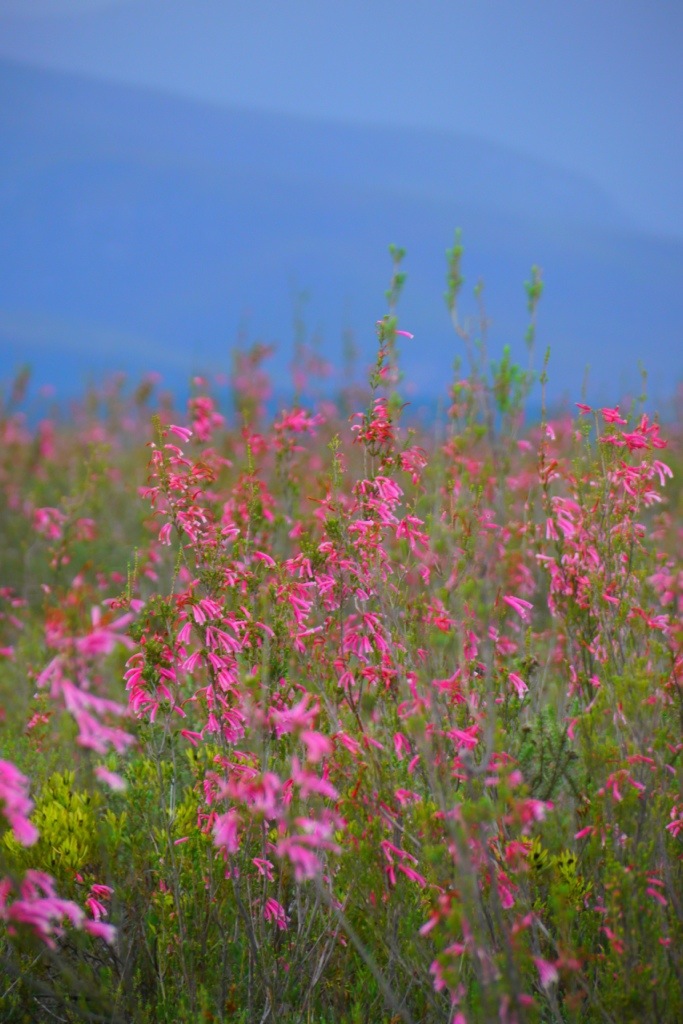
The Bontebok National Park is South Africa’s smallest national park, founded in 1960 to preserve the Bontebok of which during that time only 17 animals had survived, a species threatened to be extinguished entirely. But the Bontebok National Park ist not only essential for the animals: It is also one of the last islands preserving the natural enviroment of plants that had originally existed in the region south of Swellendam – today thanks to agriculture the landscape has in most places changed completely.

Der Bontebok National Park besteht seit 1960 und wurde gegründet, um den Bontebok (Buntbock) zu retten, der damals kurz vor dem Aussterben stand. Gerade einmal 17 Tiere existierten noch. Heute betreibt der Park ein erfolgreiches Zuchtprogramm und gibt Tiere an andere Nationalparks ab. Doch ist der Park nicht nur für den Buntbock wichtig, er ist einer der letzten Flecken an dem noch die ursprüngliche, für die Region südlich von Swellendam charakteristische Vegetation existiert. Dank exzessiver Landwirtschaft hat sich die Landschaft in den meisten Gebieten völlig verändert, erinnert teilweise an hügelige Regionen in Deutschland: Rapsfelder reihen sich an Weideland mit Kühen und Schafen … Und in der Region um Heidelberg (ohne Uni und ohne Schloss) mit zahlreichen Straußenfarmen.

Bontebok

20130723-185155.jpg

20130723-185223.jpg

20130723-185241.jpg

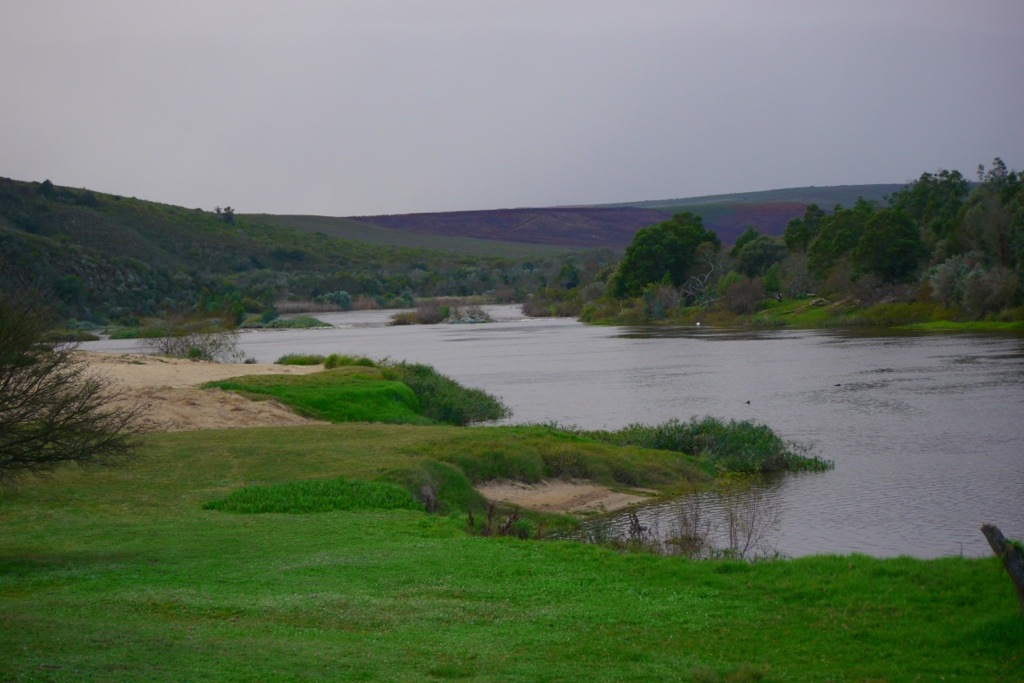
Landscape in the Bontebok National Pak

20130723-185355.jpg

20130723-185520.jpg

20130723-185542.jpg

20130723-185609.jpg

20130723-185625.jpg

20130723-185636.jpg

And finally a Red Hartebeest

20130723-185833.jpg